Oud
The Story of Oud
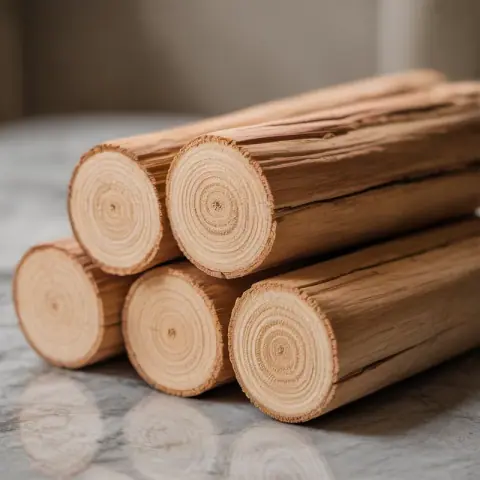
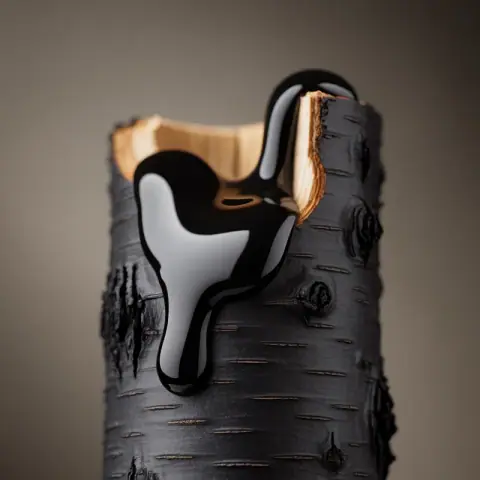
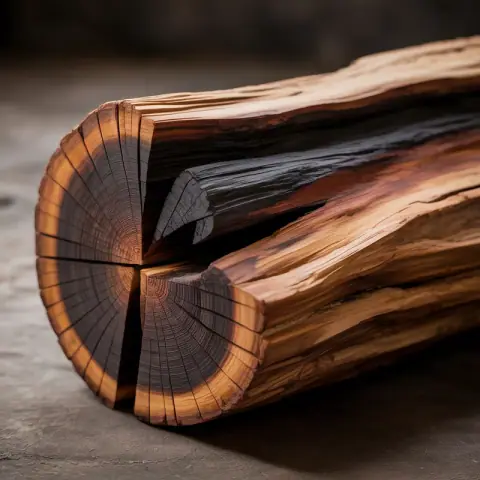
Oud (agarwood) is the most expensive natural raw material in perfumery, often called "liquid gold." It's produced when the Aquilaria tree is infected by a specific mould, causing the heartwood to produce a dark, aromatic resin as a defence mechanism. Only 2% of Aquilaria trees naturally produce oud, making genuine oud oil rarer than gold.
Oud has been central to Middle Eastern perfumery for over 3,000 years. The Prophet Muhammad referenced oud as one of the finest perfumes. In Western perfumery, oud's breakthrough came in 2002 with Tom Ford's M7, and it's now one of the most sought-after notes worldwide. In South Africa, oud's popularity has surged alongside the Arabian fragrance movement, with brands like Lattafa and Al Haramain making oud accessible at every price point.
How Oud Is Extracted
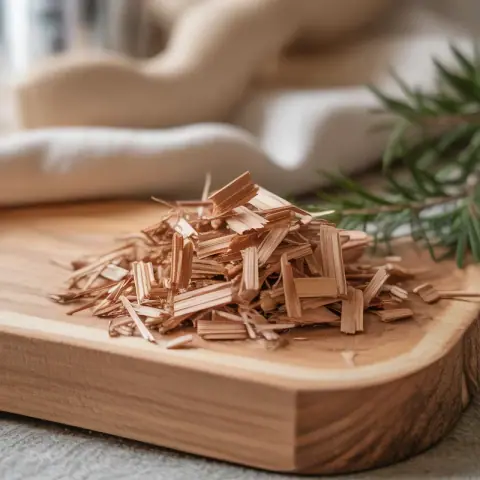
True oud oil is steam-distilled from infected agarwood chips. The process takes 3—5 days and yields tiny quantities. Top-grade wild oud oil can cost R200,000+ per kilogram. Most modern perfumes use synthetic oud molecules (like Iso E Super, Cashmeran) or oud accords — blends that recreate oud's character using more sustainable ingredients. This is not a bad thing: some of the best "oud" fragrances use synthetics that are more consistent and skin-friendly than natural oud.
Best Note Pairings with Oud
Rose
The legendary rose-oud combination is the backbone of Middle Eastern perfumery — floral sweetness meets dark wood
Saffron
Saffron's warm, metallic spice amplifies oud's exotic character beautifully
Vanilla
Vanilla tames oud's animalic edge, creating smoky-sweet warmth that's universally appealing
Sandalwood
Sandalwood smooths oud into a creamy, luxurious woody base
Oud — Frequently Asked Questions
What does oud smell like?▾
Is oud perfume suitable for South African weather?▾
What is the difference between real and synthetic oud?▾
Related Reading
Perfumes featuring Oud(15)
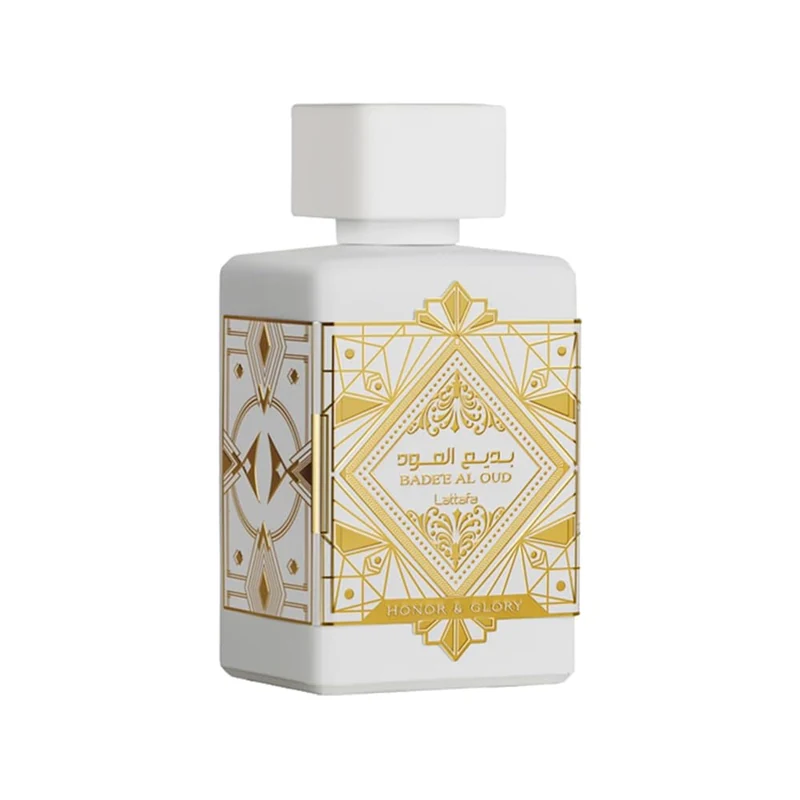
Bade'e Al Oud Honor & Glory
Lattafa Perfumes
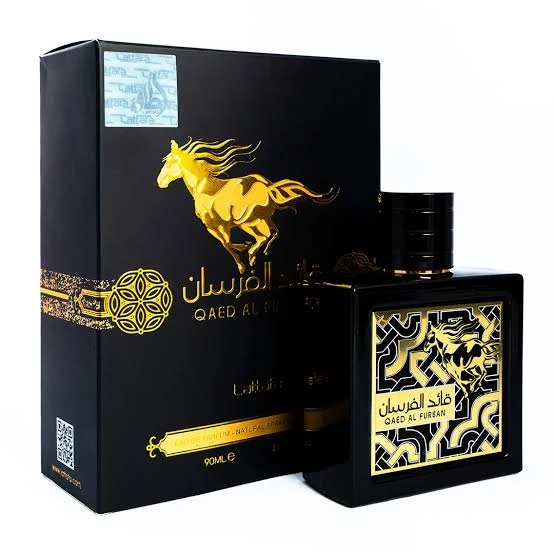
Qaed Al Fursan Unlimited Black
Lattafa Perfumes
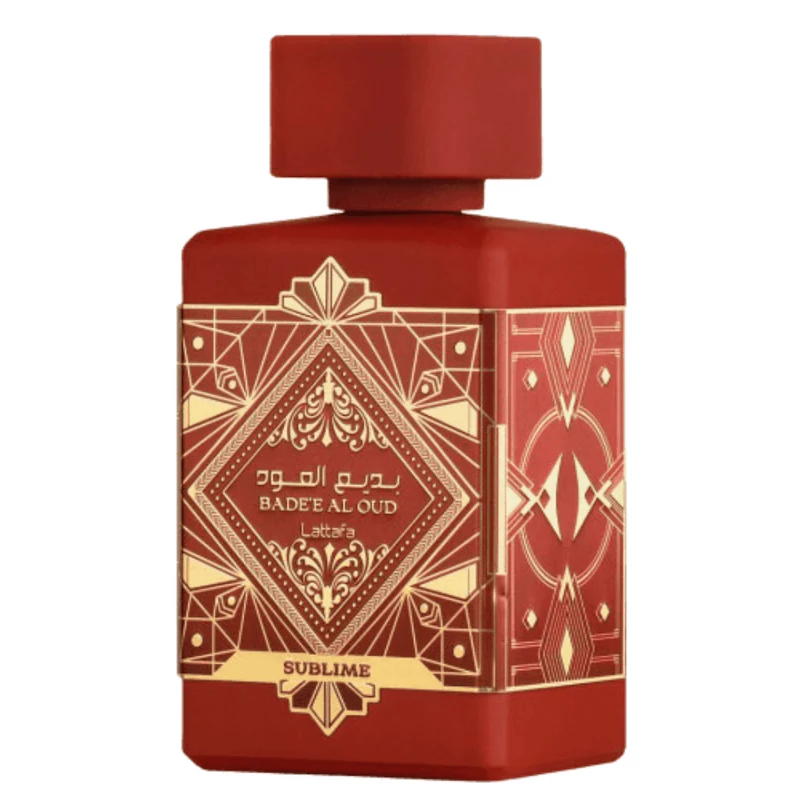
Bade'e Al Oud Sublime
Lattafa Perfumes
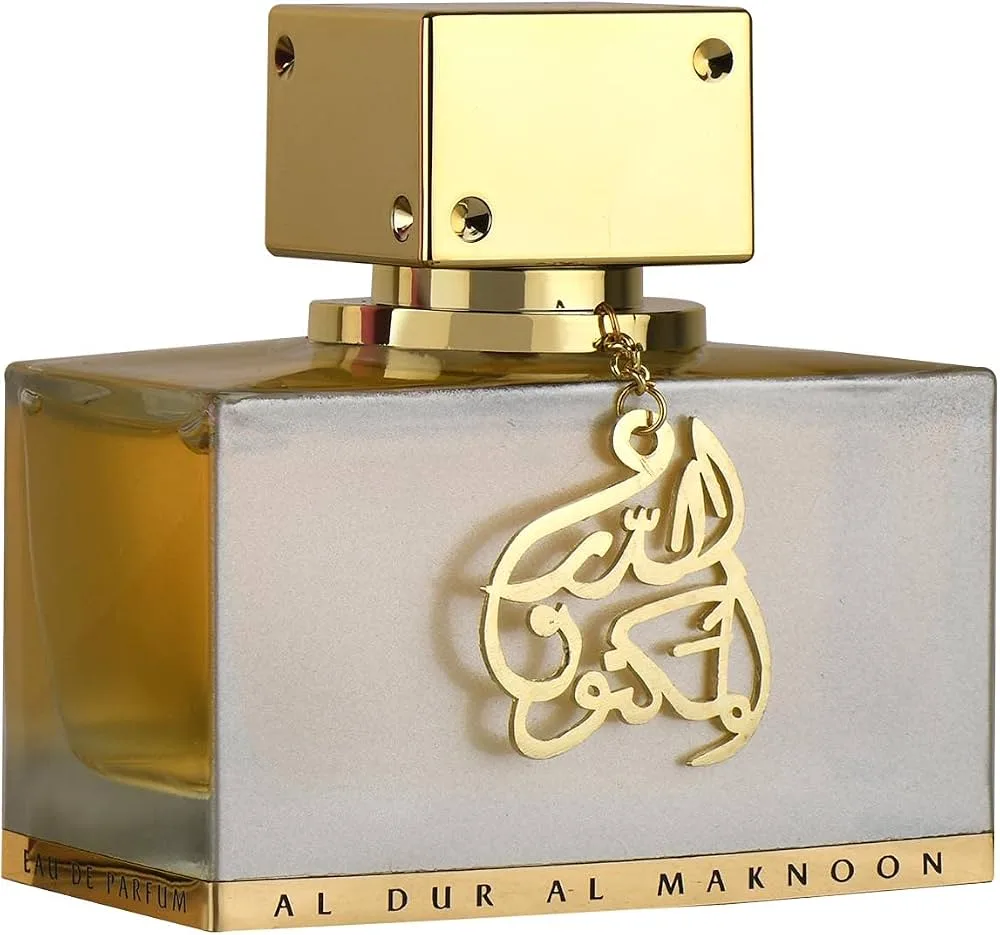
Al Dur Al Maknoon Gold
Lattafa Perfumes
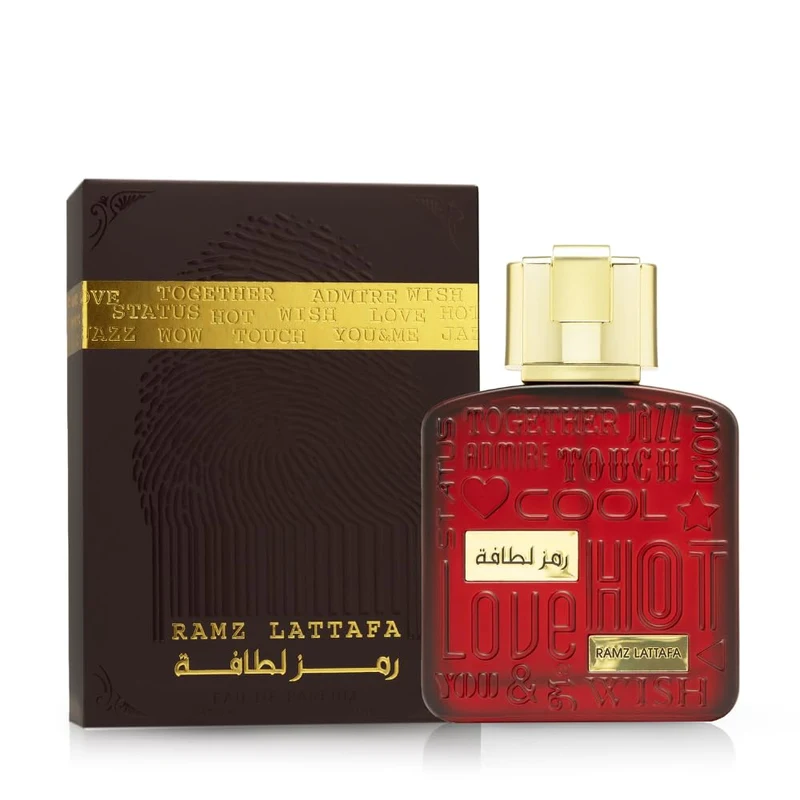
Ramz Lattafa Gold
Lattafa Perfumes
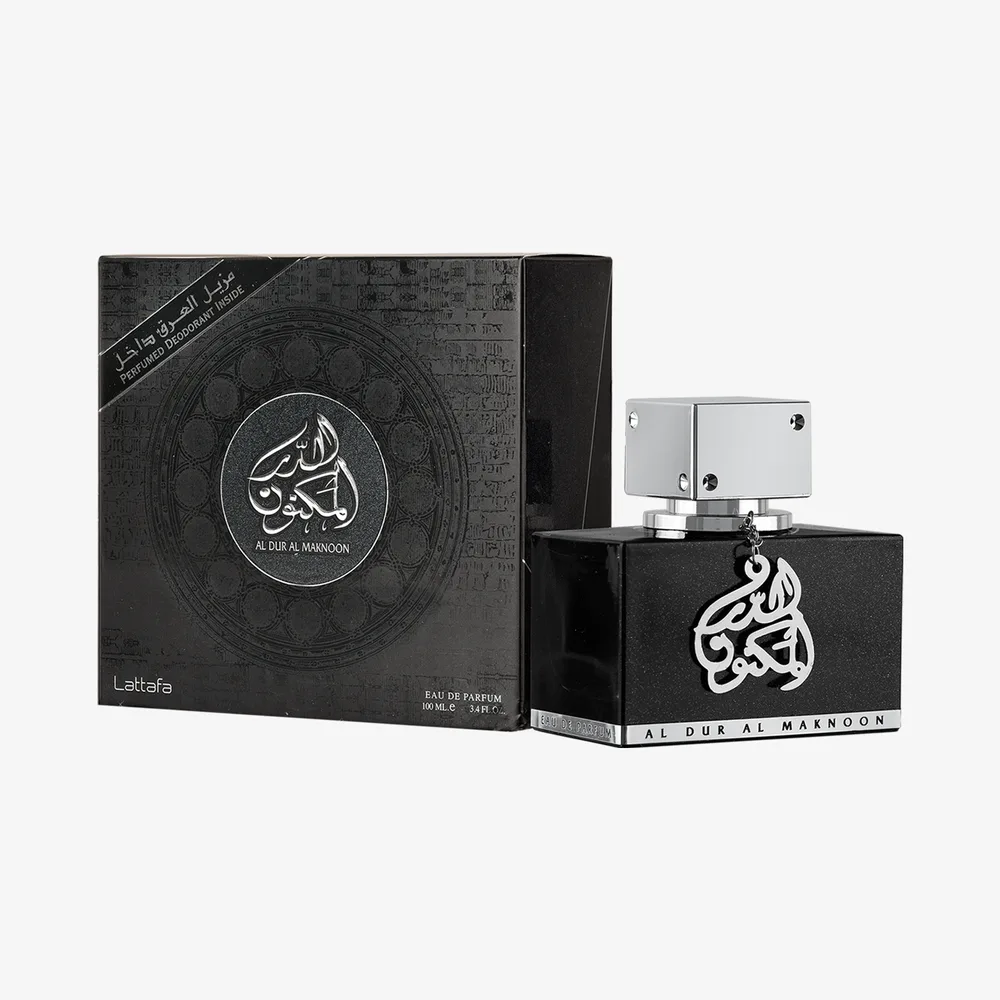
Al Dur Al Maknoon Silver
Lattafa Perfumes
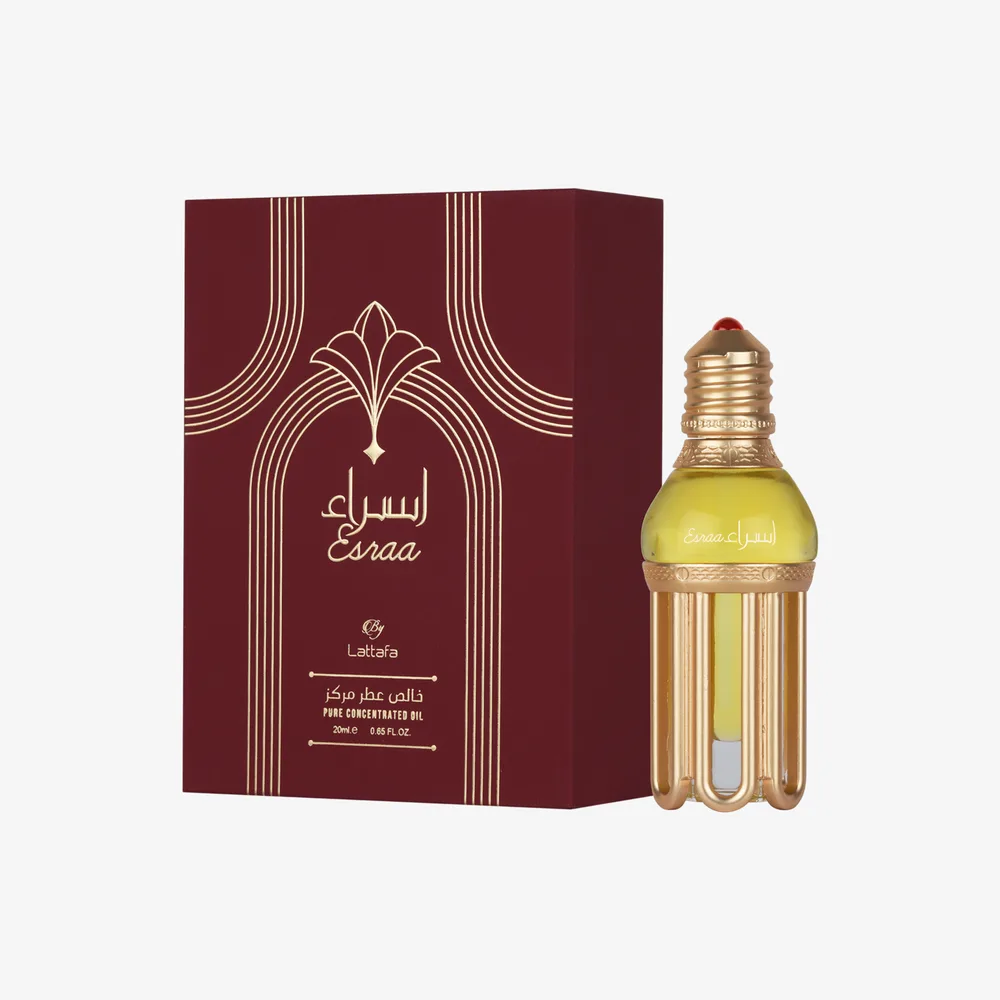
Esraa Oil
Lattafa Perfumes
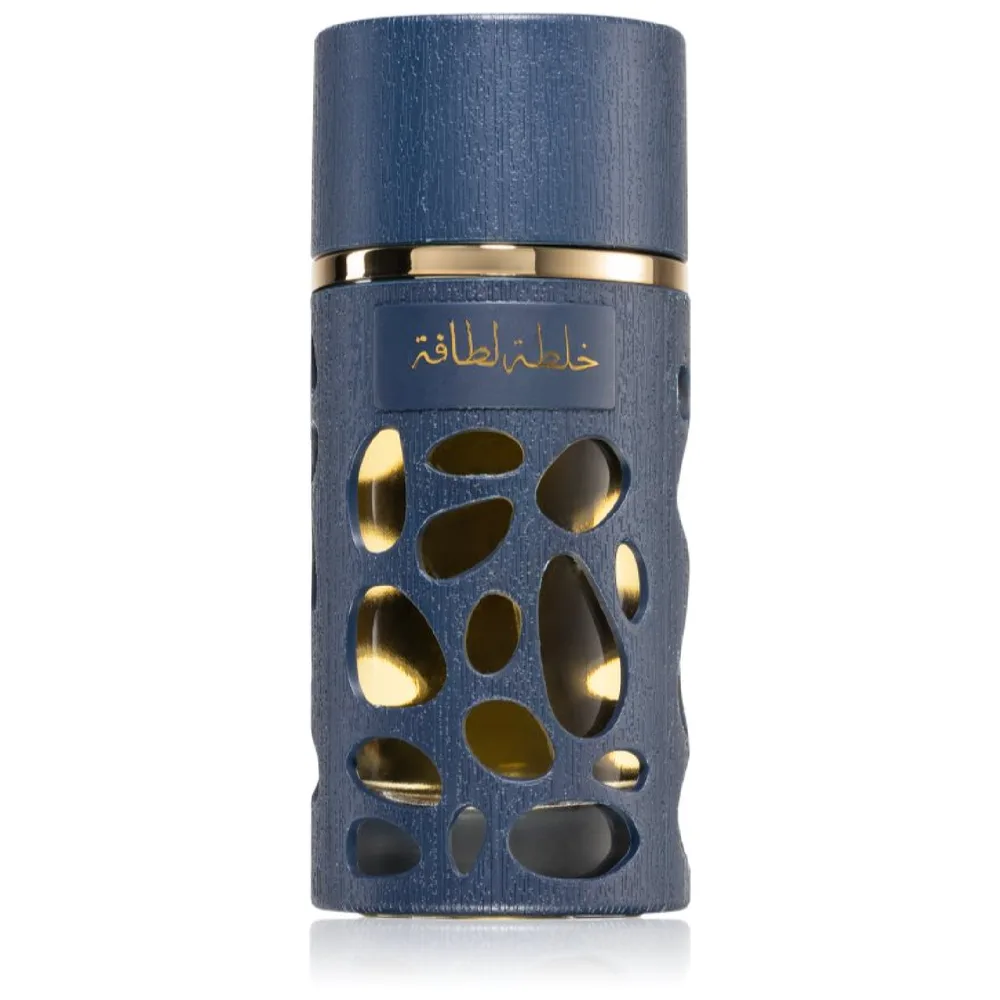
Khalta Blend of Lattafa
Lattafa Perfumes
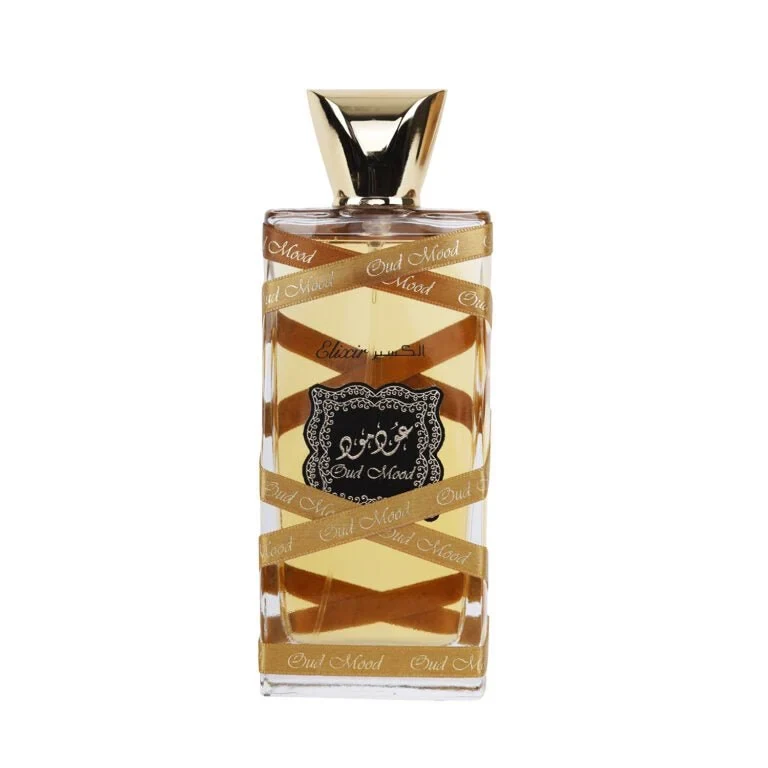
Oud Mood Elixir
Lattafa Perfumes
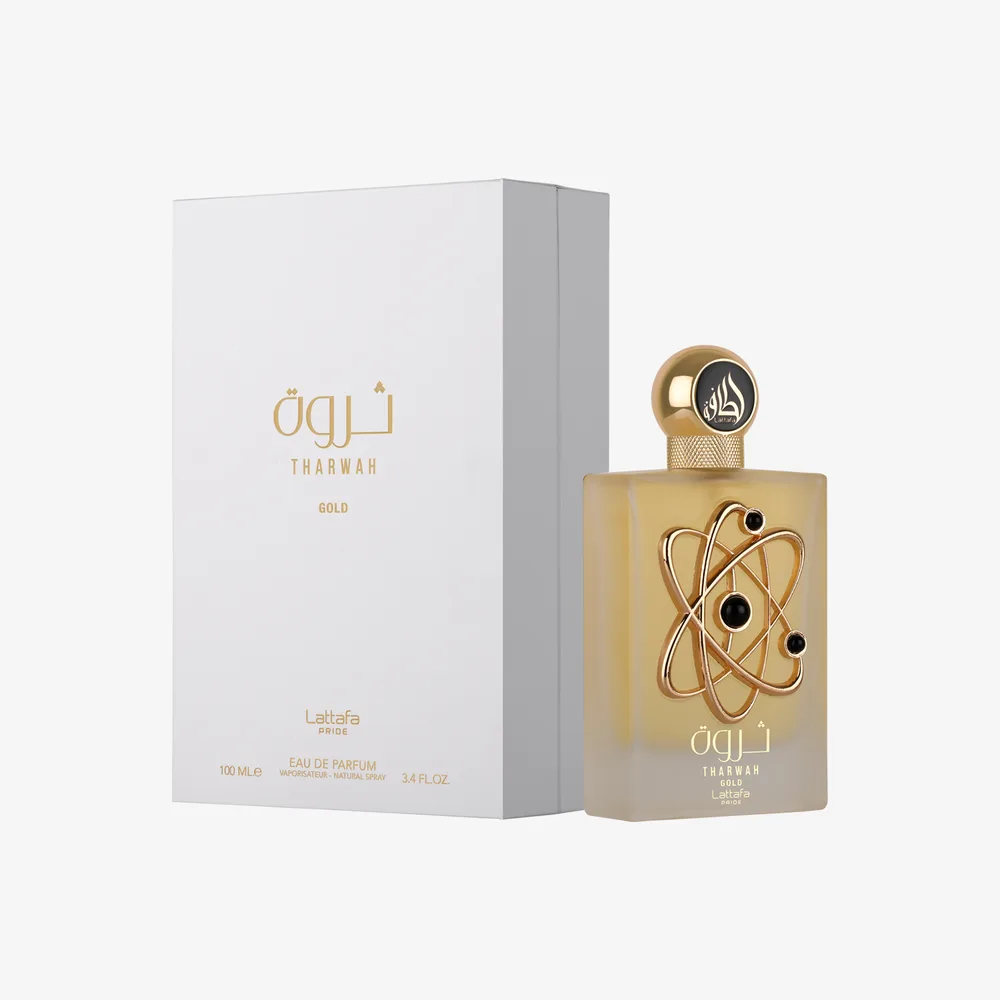
Lattafa Tharwah Gold
Lattafa Perfumes
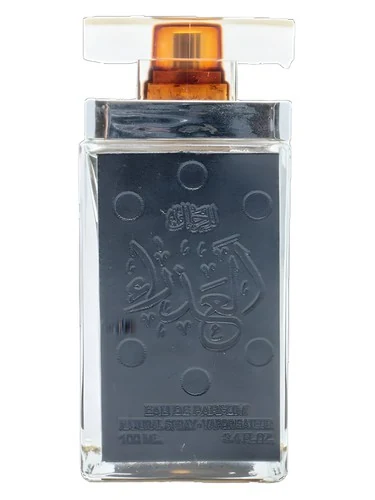
Al Azra'a Black
Lattafa Perfumes
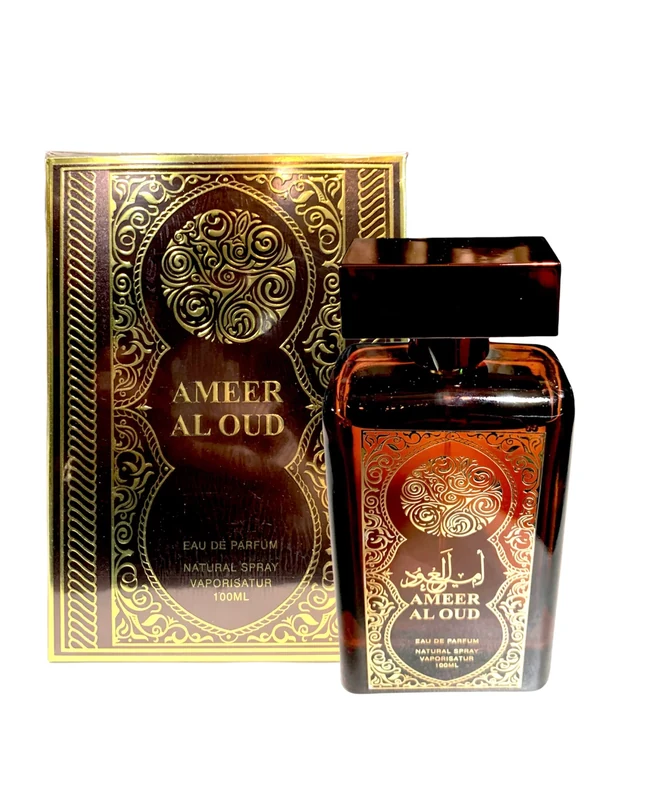
Air Al Oud
Lattafa Perfumes
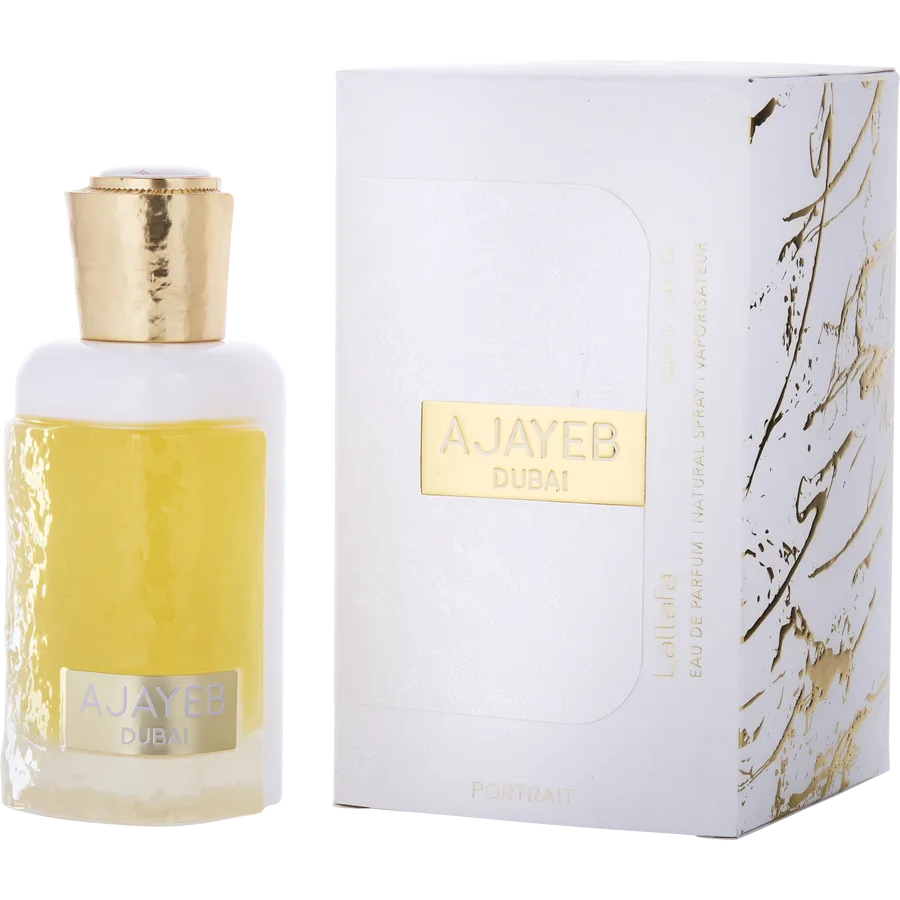
Ajayeb Dubai Portrait
Lattafa Perfumes
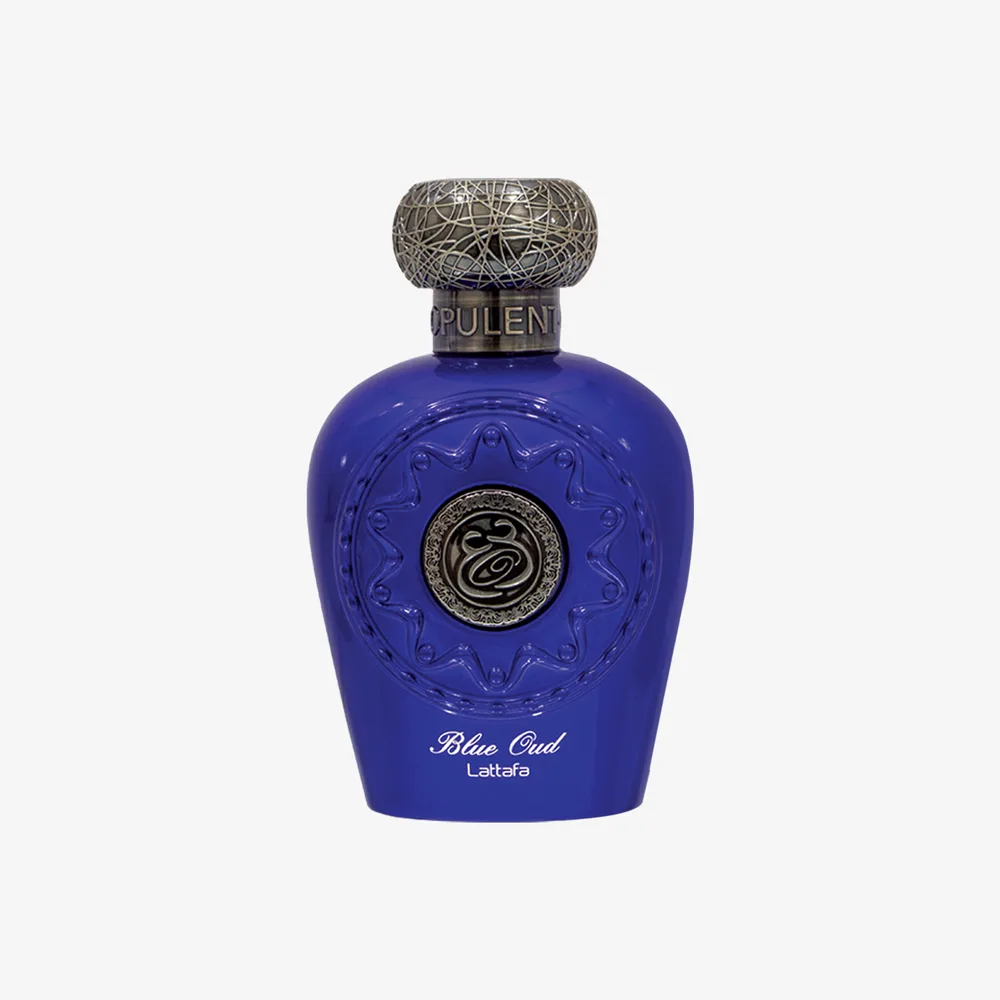
Blue Oud
Lattafa Perfumes
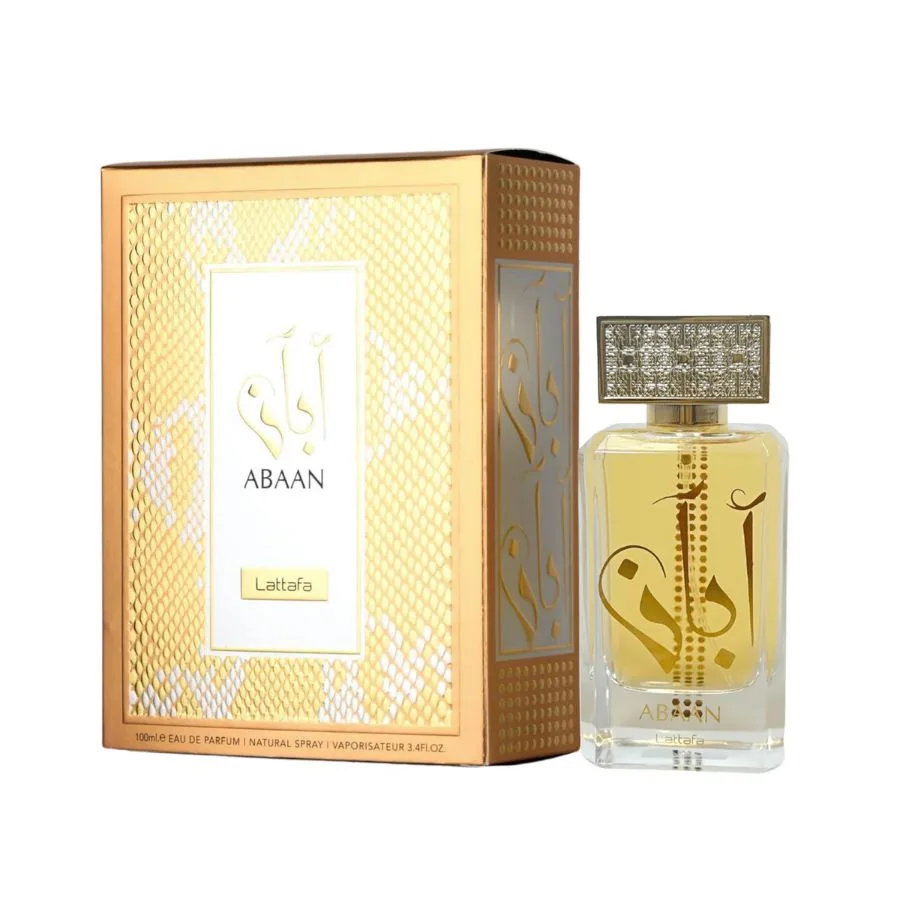
Abaan
Lattafa Perfumes