Hermès
The pinnacle of French luxury
Hermès is the French luxury house that began as a saddlery in 1837 and quietly built one of the most respected fragrance arms in modern perfumery — a brand whose creative direction sits at the opposite end of the spectrum from celebrity-led mass marketing. Hermès fragrance is defined by the work of two long-serving in-house perfumers — Jean-Claude Ellena (2004-2016) and Christine Nagel (2014-present) — and built on a philosophy of restraint, refinement, and material quality. The brand's Hermessence collection, launched in 2004, helped redefine the niche-luxury category alongside Tom Ford Private Blend and Dior Privée.
The Founder's Story
Thierry Hermès opened his harness workshop on Rue Basse-du-Rempart in Paris in 1837, supplying European nobility and Russian aristocracy with horse harnesses and saddles. His son Charles-Émile expanded into saddles and moved to 24 Faubourg Saint-Honoré — still the brand's flagship address. Three generations later, in 1880, Émile-Maurice Hermès broadened the house into leather goods, including the bags that would become the Kelly (1956) and the Birkin (1984). The fragrance arm launched in 1951 with Eau d'Hermès, a leather-aromatic composition by Edmond Roudnitska, but only became a serious creative house with the appointment of Jean-Claude Ellena as in-house perfumer in 2004.
Heritage & Timeline
1837 — Thierry Hermès opens his harness workshop. 1951 — Eau d'Hermès by Edmond Roudnitska, the brand's first fragrance. 1979 — Calèche. 1986 — Bel Ami. 2004 — Jean-Claude Ellena becomes in-house perfumer; the Hermessence collection launches; Terre d'Hermès launches and becomes the brand's commercial flagship. 2014 — Christine Nagel joins Hermès as Director of Olfactory Creation, working alongside Ellena. 2016 — Ellena retires; Nagel takes sole creative leadership. 2018 — Twilly d'Hermès. 2019 — H24, the new masculine signature. 2022 — Plein Air. 2024 — Ellena returns briefly as a special collaborator on a Hermessence project.
Signature Style
Hermès fragrance is built on restraint. Jean-Claude Ellena spent his tenure perfecting what he called the watercolour technique — fragrances built around two or three luminous materials rather than dense layered compositions. The result is a house aesthetic that reads as transparent, sun-warmed, and quietly expensive. Christine Nagel has expanded this register — Twilly d'Hermès is more assertive, H24 more synthetic-modern — but the underlying philosophy holds: Hermès does not project hard, does not announce itself, and does not chase TikTok virality. The Hermessence collection is the brand's most architecturally pure work and remains restricted to Hermès boutiques.
Iconic Fragrances
Did You Know?
Hermès is one of the only major French luxury houses to operate its fragrance arm with a fully in-house perfumer — Jean-Claude Ellena held the role for 12 years; Christine Nagel has held it since 2014.
Ellena's work for Hermès was the subject of his book The Diary of a Nose, one of the most respected first-person accounts of modern perfumery.
The Hermès orange-leather Twilly H bottle was designed by interior architect Pierre-Alexis Dumas.
Terre d'Hermès uses real flint-stone (silex) accord — the metallic, mineral note in the dry-down is a signature of Ellena's composition technique.
Hermès leather-goods origins still inform its fragrance work: Cuir d'Ange, Doblis, and Bel Ami all draw directly on the brand's saddlery heritage.
Where to Buy in South Africa
Hermès flagship stores (Sandton, V&A Waterfront), Skins SA, online. R3,500-R6,500 typical.
All Hermès Fragrances(19)
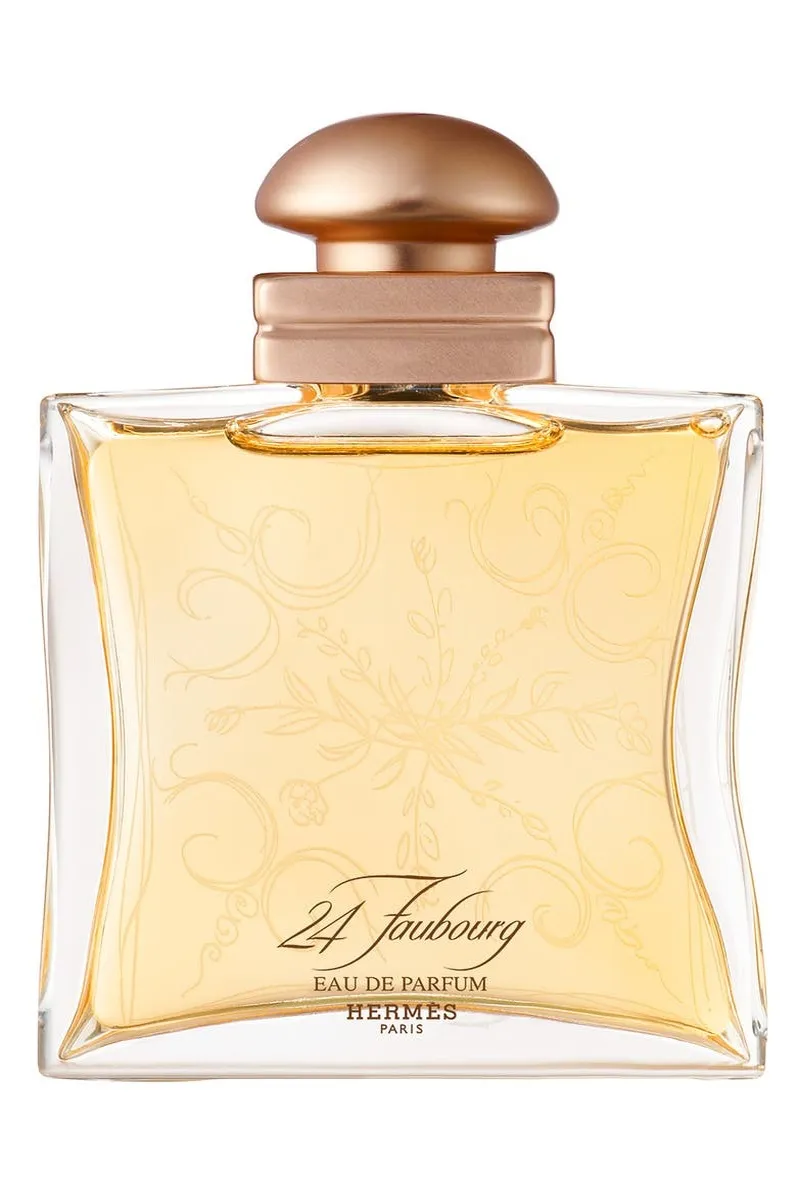
Hermès
Hermès 24 Faubourg Eau de Toilette
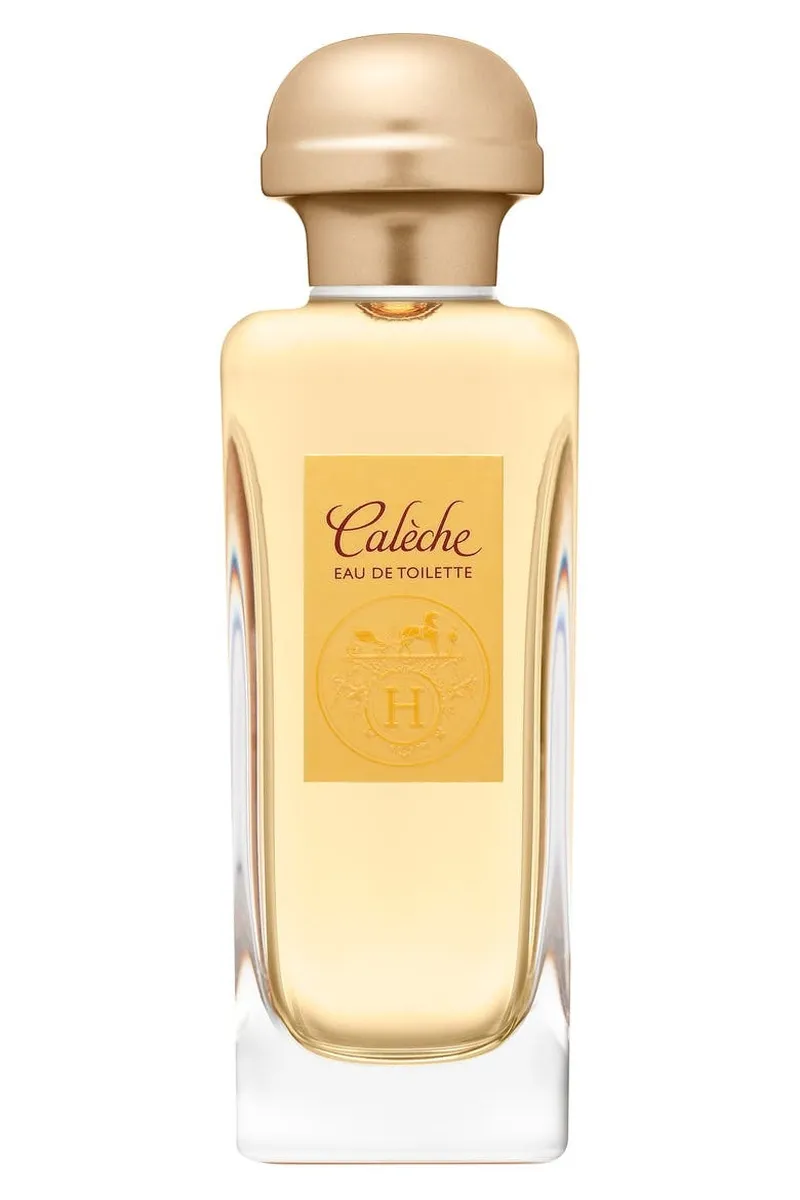
Hermès
Hermès Calèche Eau de Toilette
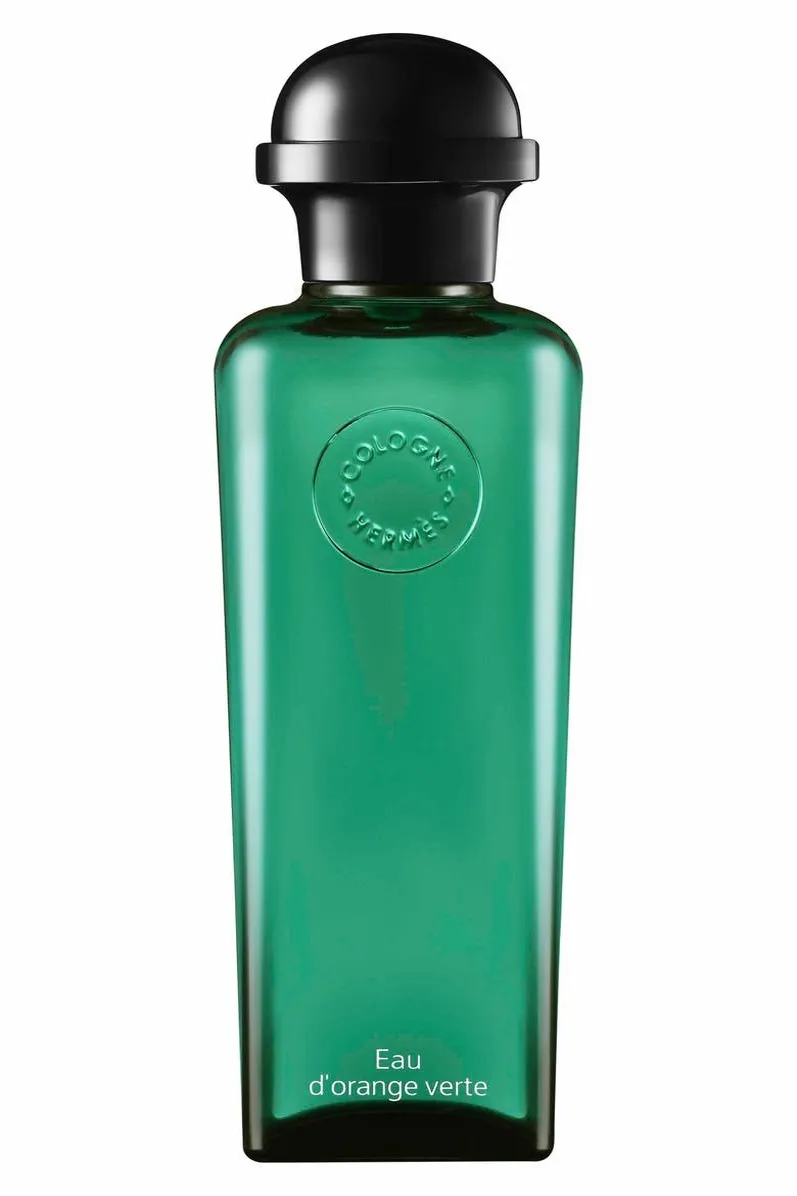
Hermès
Hermès Eau d'Orange Verte
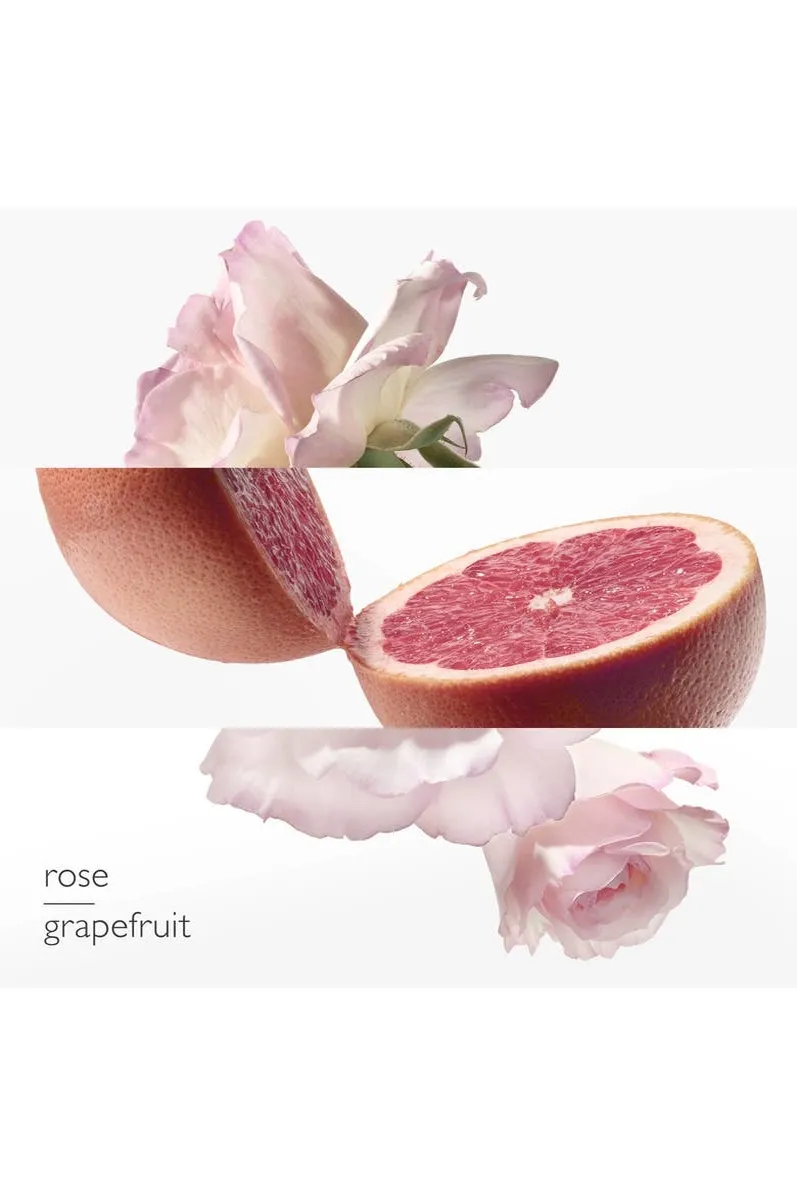
Hermès
Hermès Eau de Pamplemousse Rose
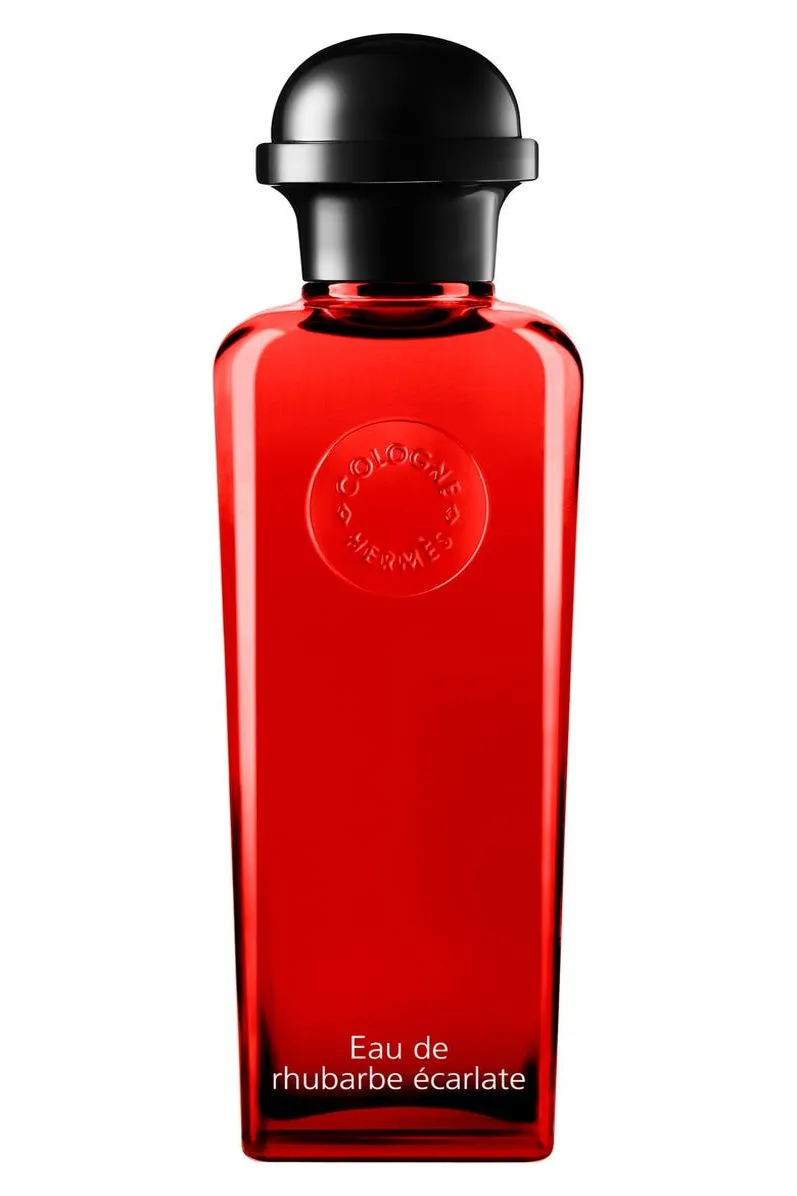
Hermès
Hermès Eau de Rhubarbe Écarlate
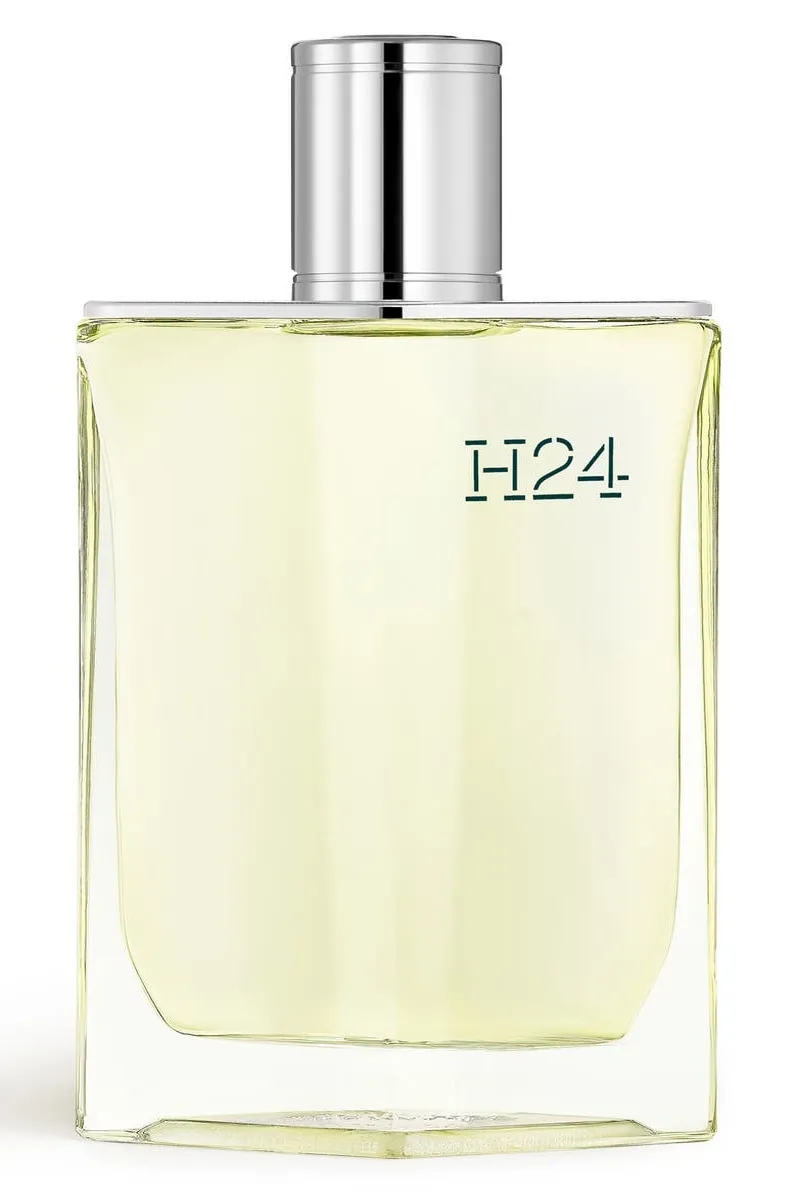
Hermès
Hermès H24 Eau de Toilette
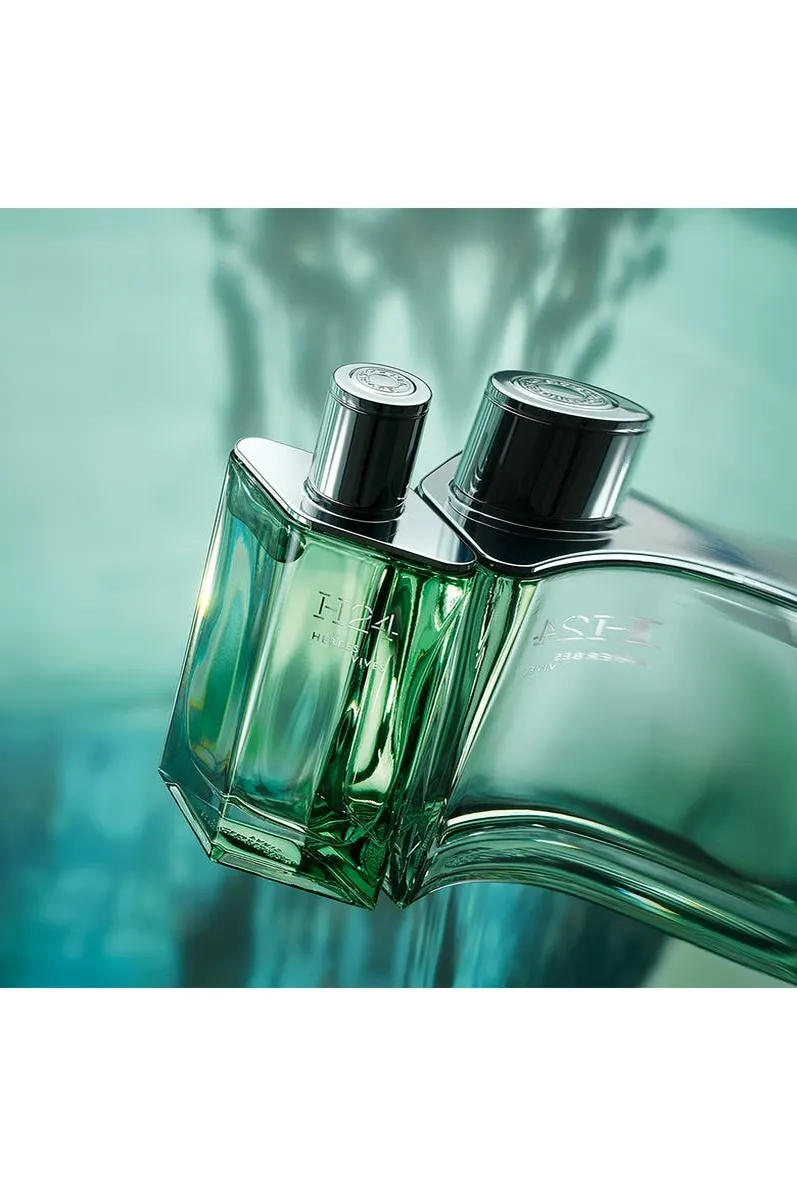
Hermès
Hermès H24 Herbes Vives
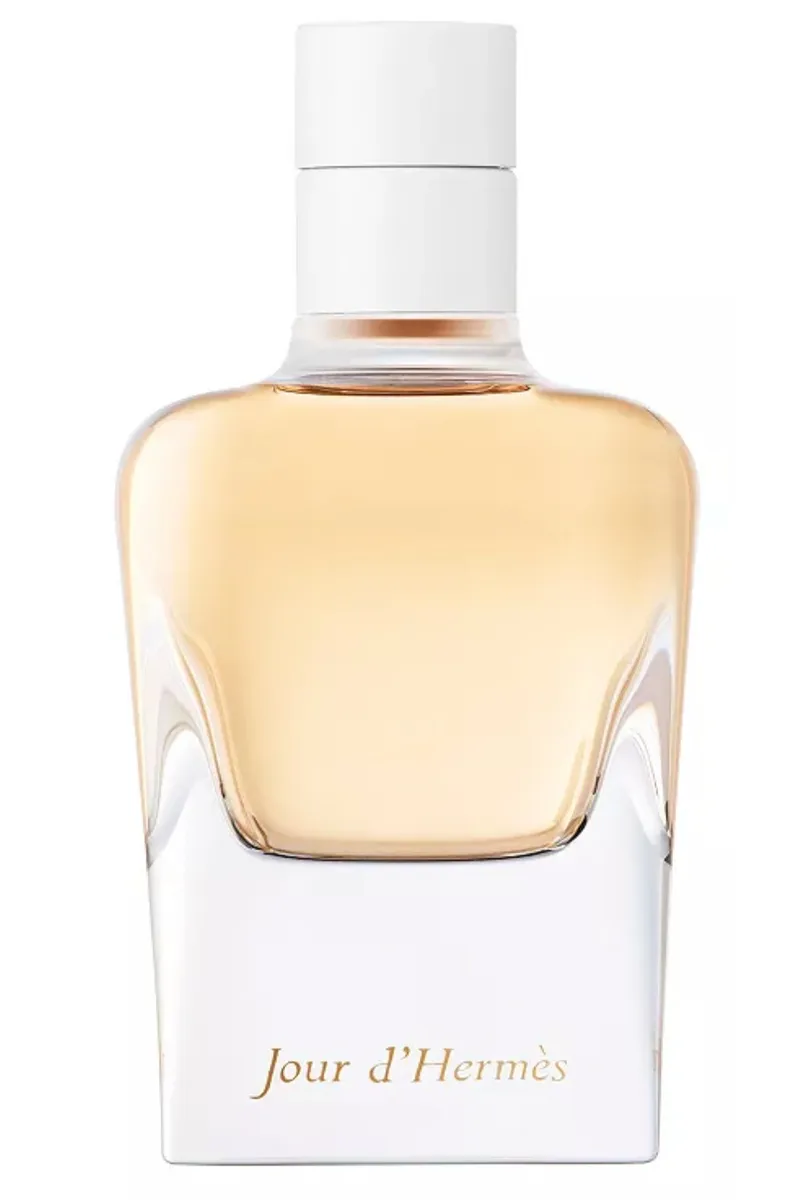
Hermès
Hermès Jour d'Hermès Eau de Parfum
Hermès
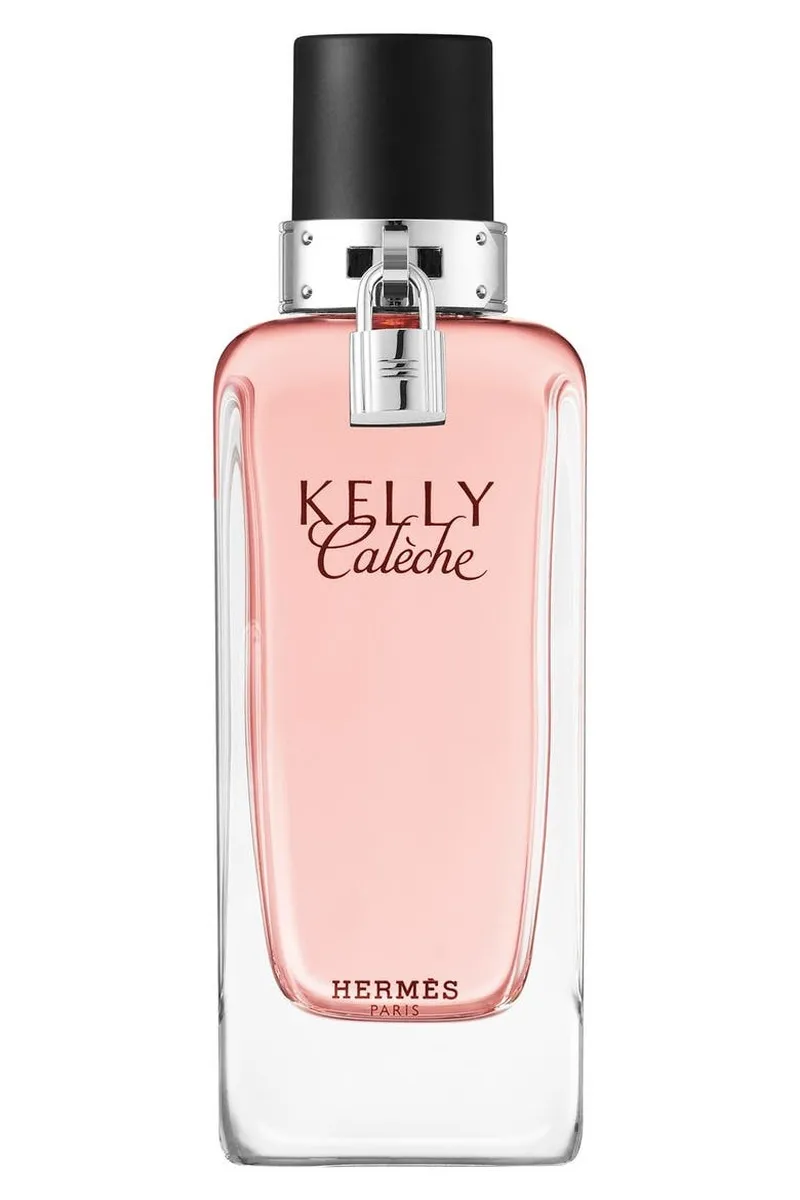
Hermès Kelly Calèche Eau de Toilette
Hermès
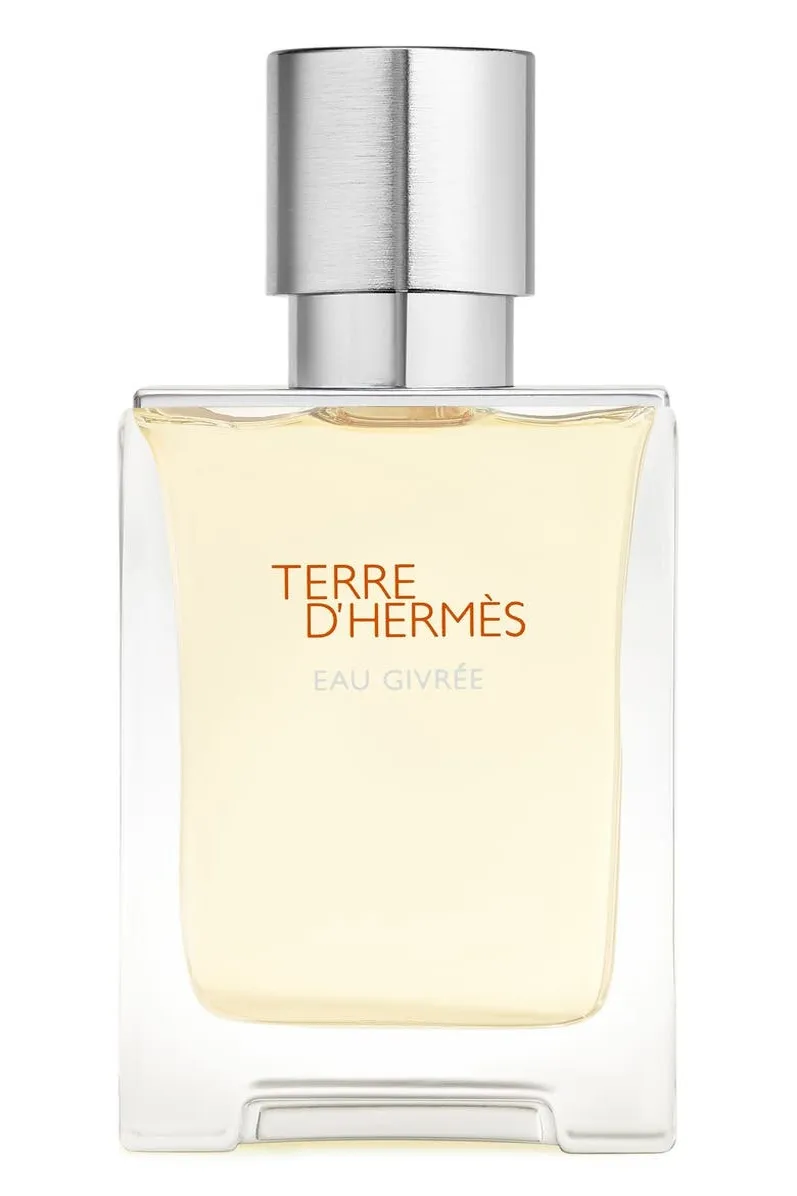
Hermès Terre d'Hermès Eau Givrée
Hermès
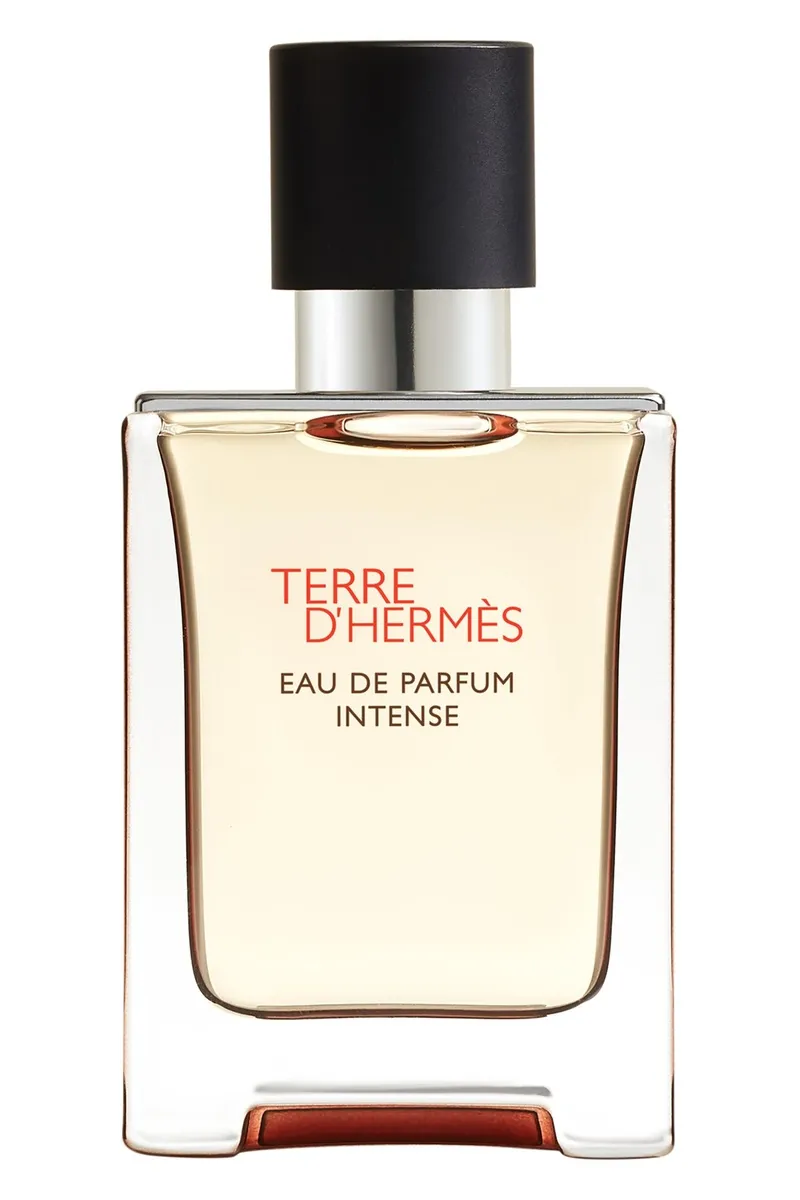
Hermès Terre d'Hermès Eau Intense Vetiver
Hermès
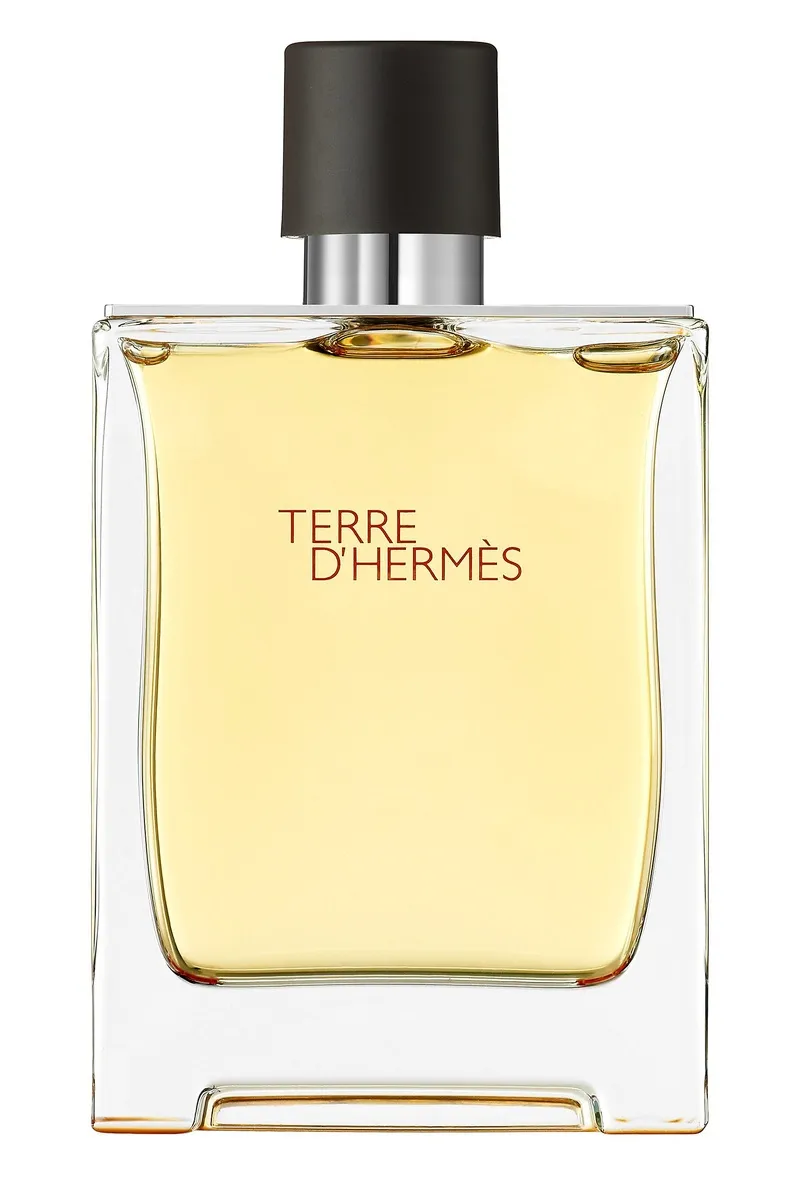
Hermès Terre d'Hermès Eau de Parfum
Hermès
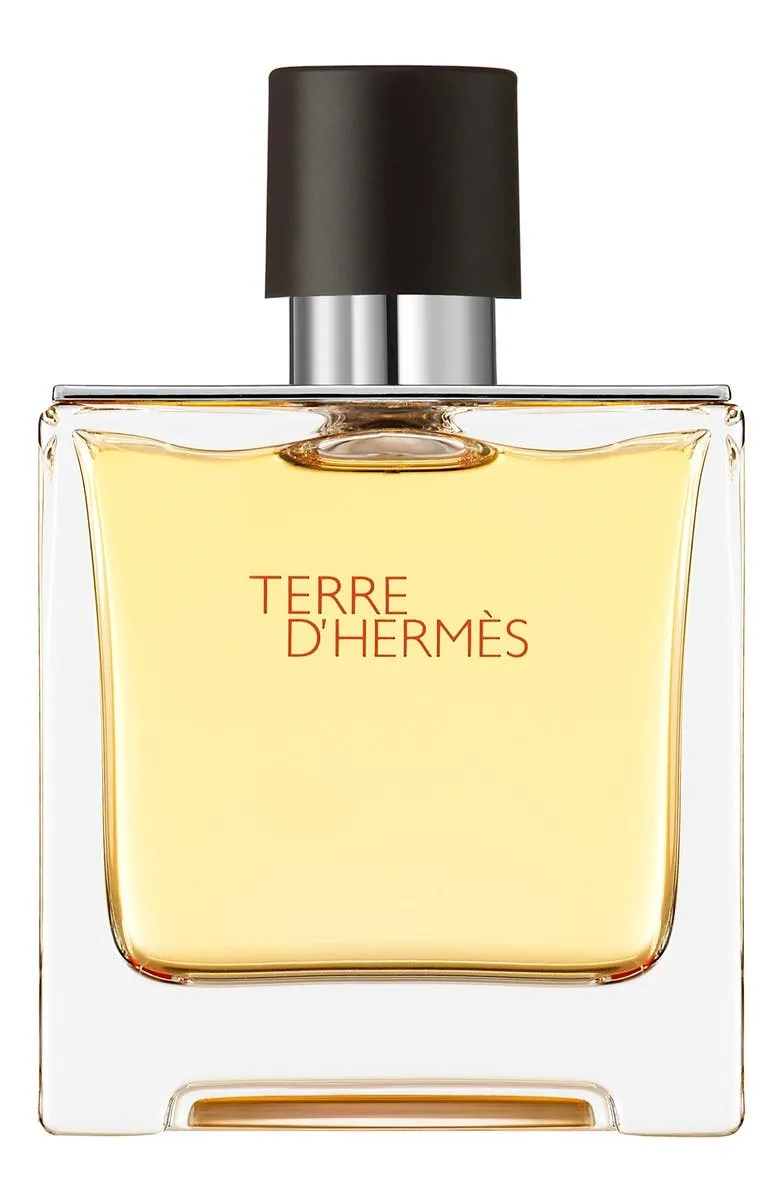
Hermès Terre d'Hermès Parfum
Hermès
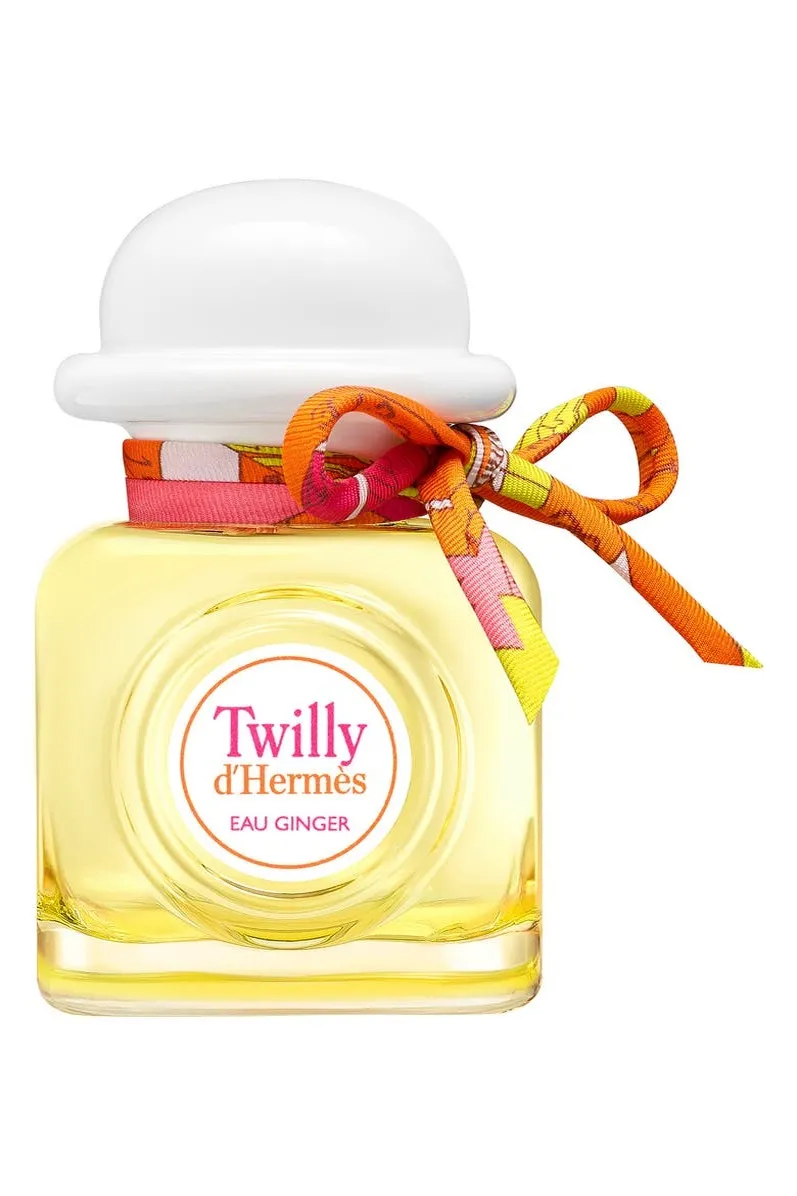
Hermès Twilly Eau Ginger
Hermès
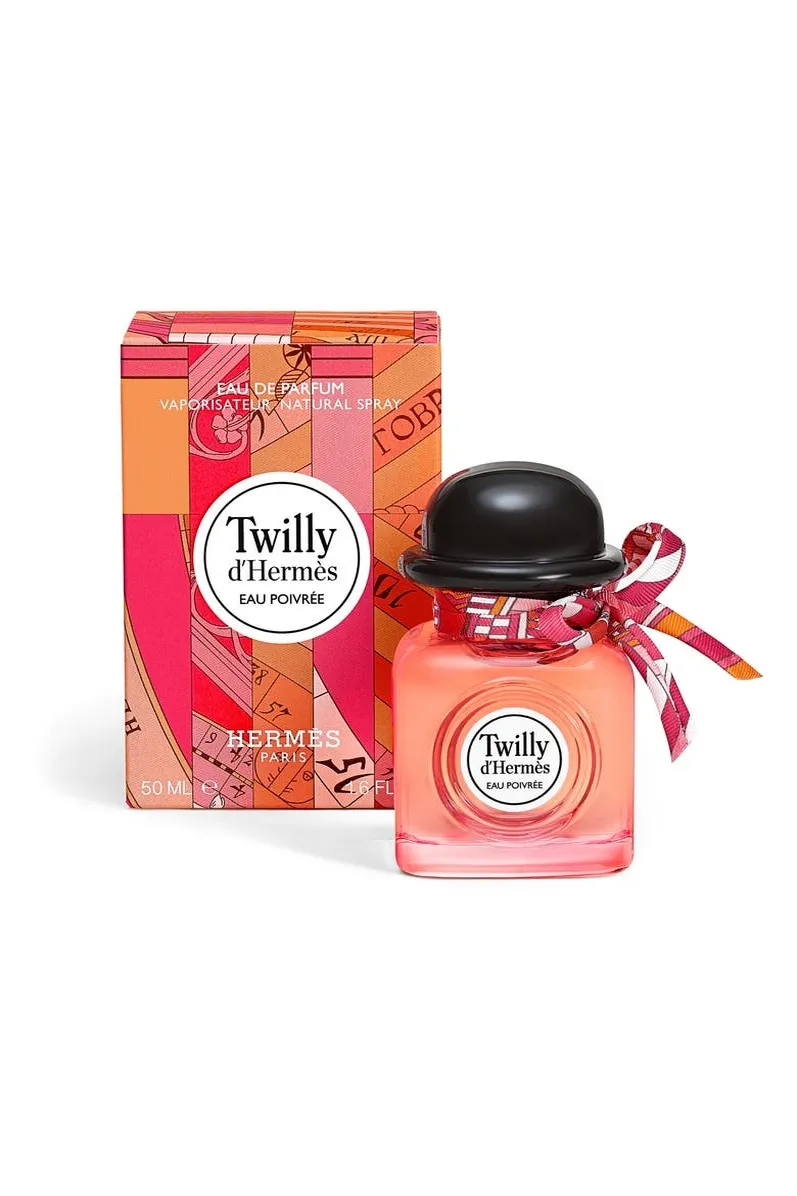
Hermès Twilly Eau Poivrée
Hermès
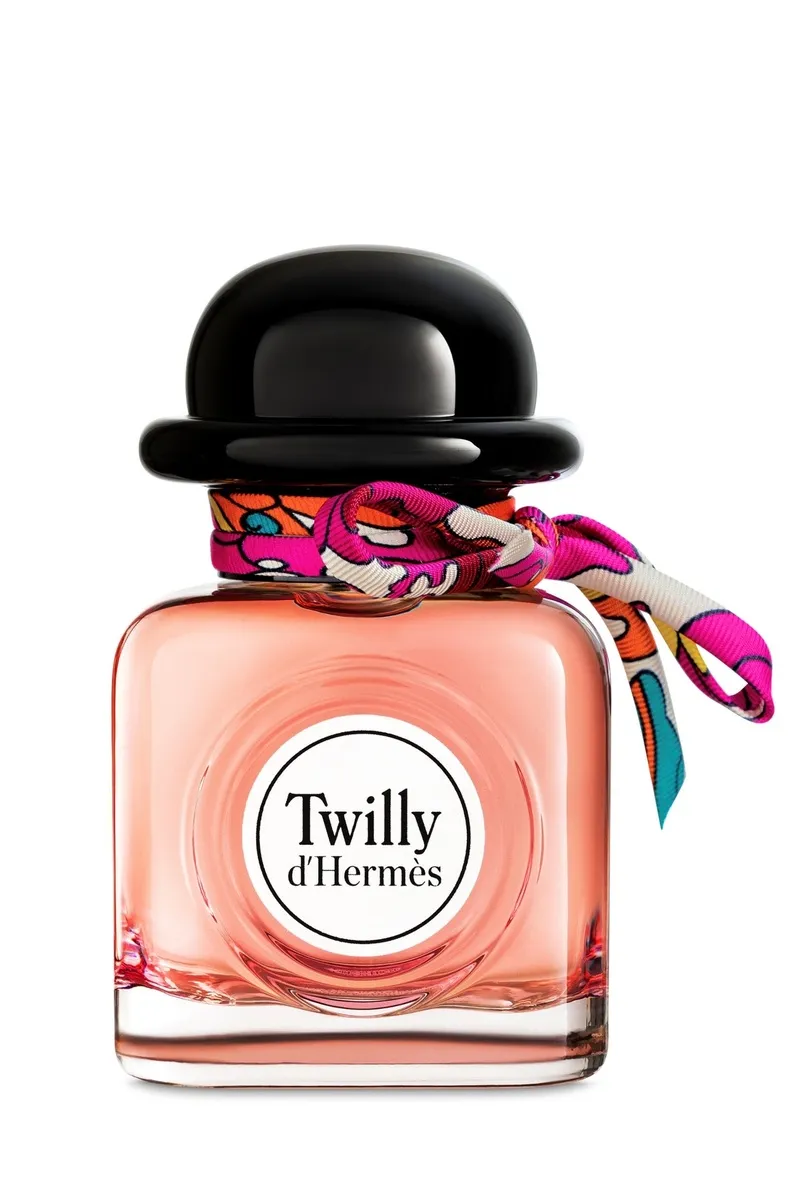
Hermès Twilly d'Hermès Eau de Parfum
Hermès
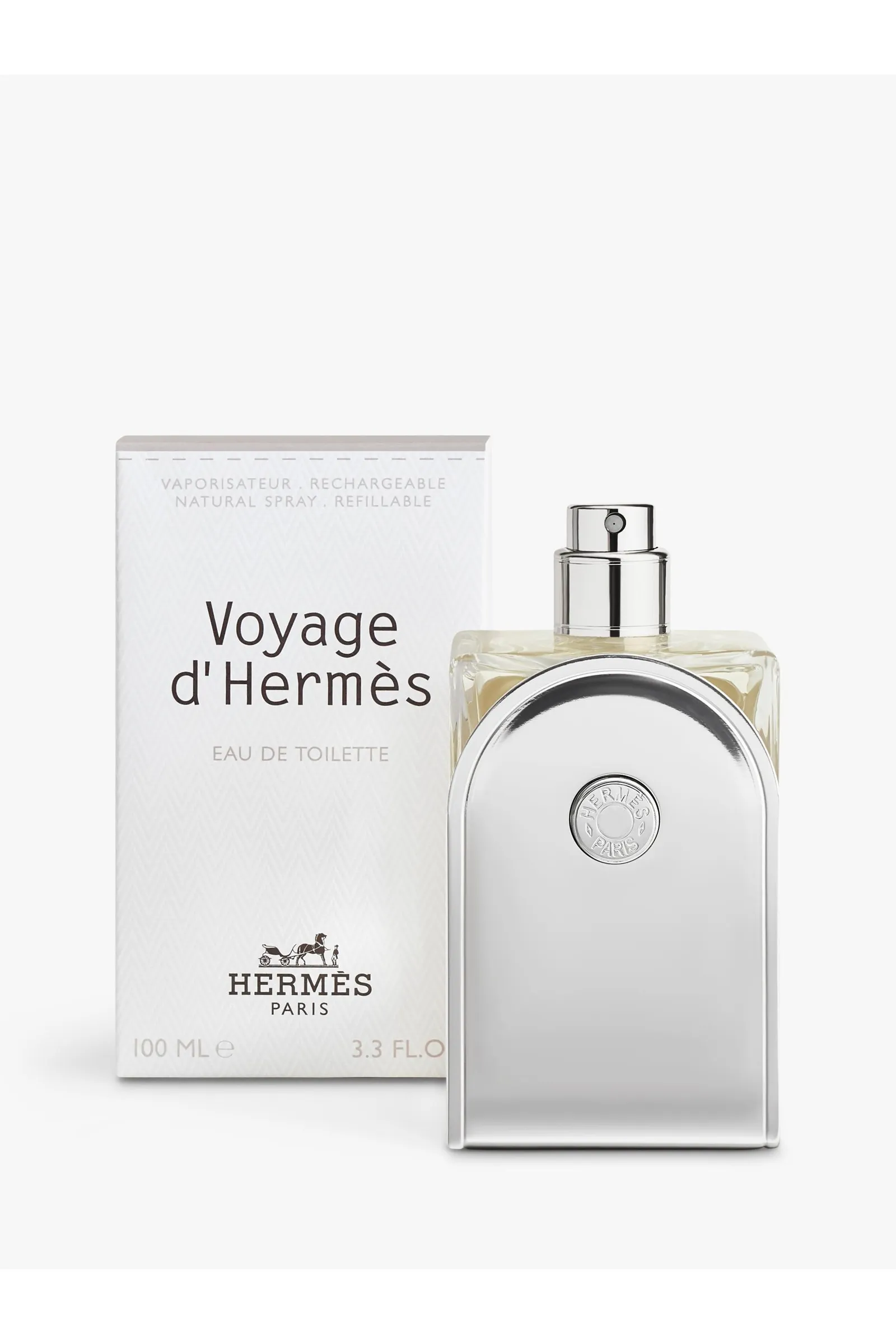
Hermès Voyage d'Hermès Eau de Toilette
Hermès
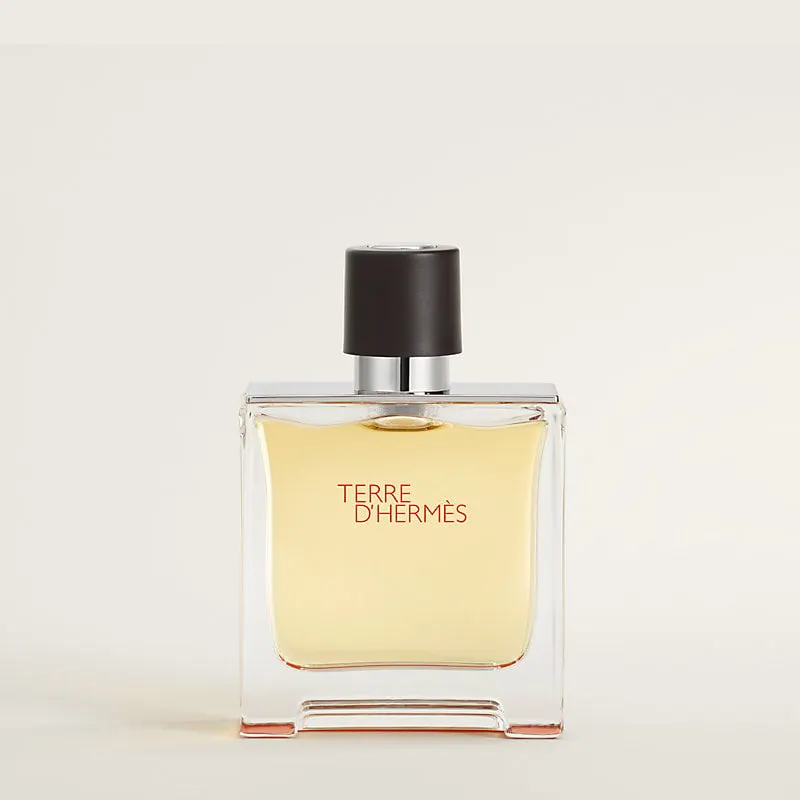
Hermes Terre d'Hermes
Hermès