Le Labo
Soulful, slow perfumery from NYC
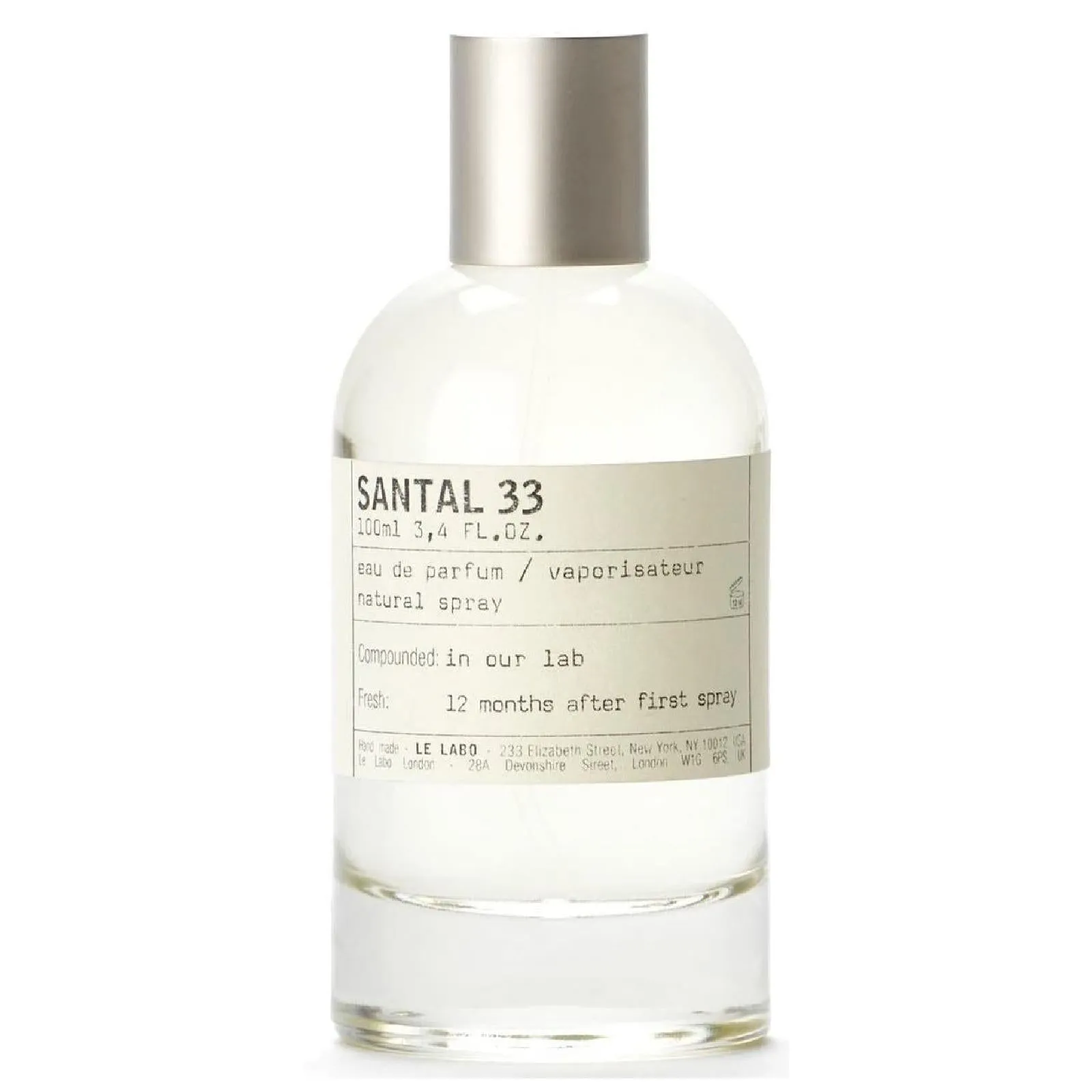
Le Labo is the New York fragrance house that turned restrained typographic minimalism into a global luxury identity — and turned one fragrance, Santal 33, into the most-worn niche perfume of the 2010s. Founded in 2006 by Fabrice Penot and Edouard Roschi, both veterans of the Giorgio Armani fragrance division, Le Labo built its commercial breakthrough on the back of a single scent that started life as a contract manufacturer's sample composition. The brand was acquired by Estée Lauder Companies in 2014 and has remained creatively independent since.
The Founder's Story
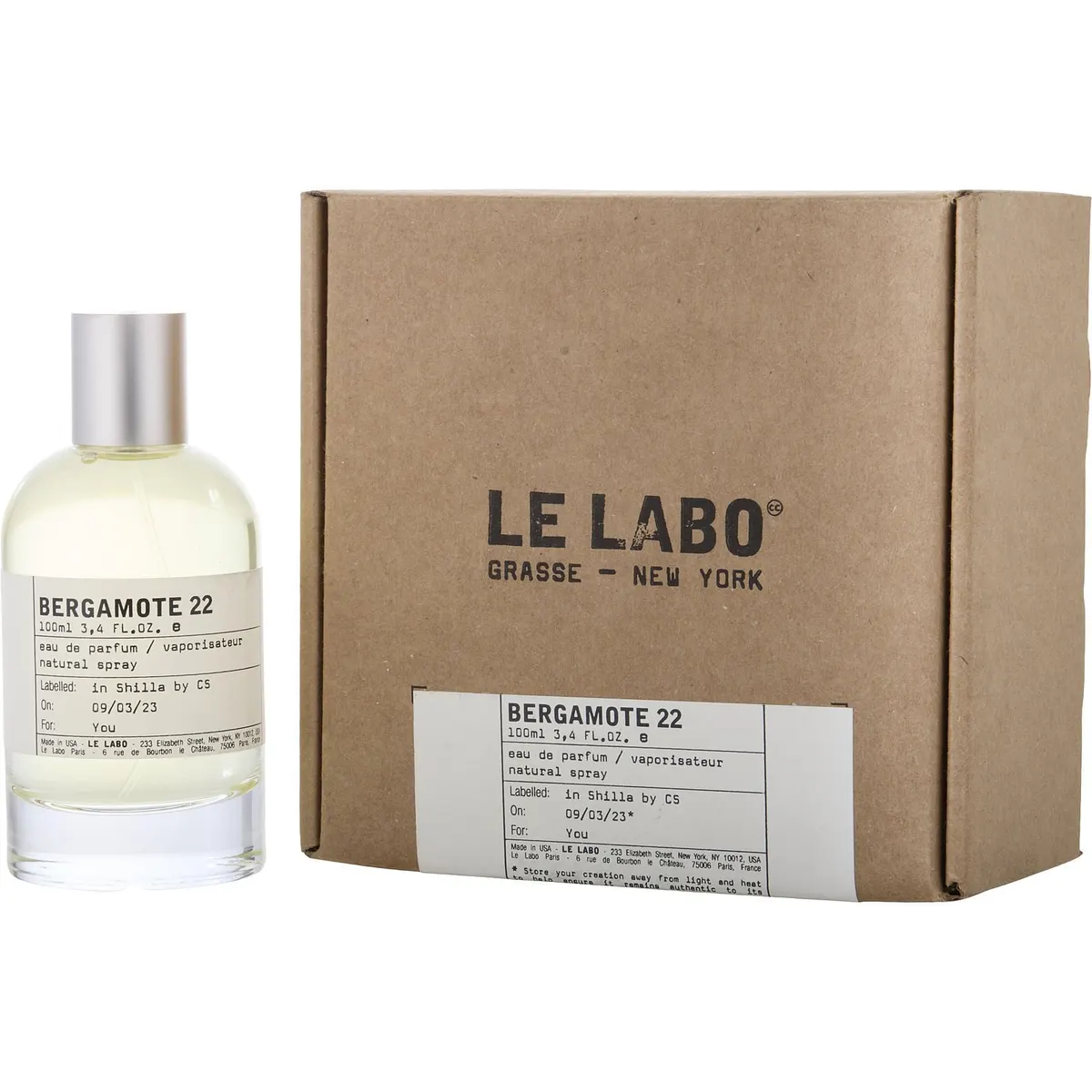
Fabrice Penot and Edouard Roschi met working at Giorgio Armani's fragrance division and left in the mid-2000s to start their own house. The original Le Labo concept was a hand-blended fragrance laboratory — customers would visit a Le Labo store, choose a fragrance, and watch staff blend the alcohol and perfume oil to order, with the buyer's name printed on the label. The founders worked with French perfumers, most notably Daphné Bugey (Santal 33), Frank Voelkl (Bergamote 22), and Mark Buxton (Patchouli 24). Penot and Roschi remain involved in the brand's creative direction; Estée Lauder owns the commercial operations.
Heritage & Timeline
2006 — Le Labo opens its first store on Elizabeth Street, New York. 2007 — Santal 33 launches as part of the original numbered collection (Santal 33 references the 33 ingredients in the composition). 2014 — Estée Lauder Companies acquires Le Labo. 2017 — Santal 33 reaches cult-status virality, becoming one of the most-recognised niche fragrances in the world. 2020 — Le Labo opens its Paris, Tokyo, and Hong Kong boutiques. 2022 — Santal 33 reaches one of the largest annual sales totals ever recorded for a single niche fragrance SKU. 2024 — the brand's typographic minimalism has been so widely copied across the fragrance industry that it now reads as default-niche.
Signature Style
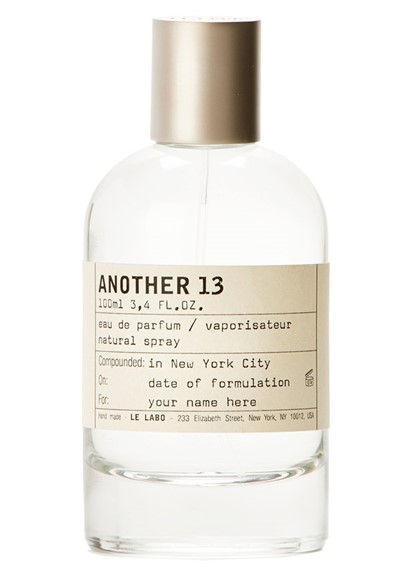
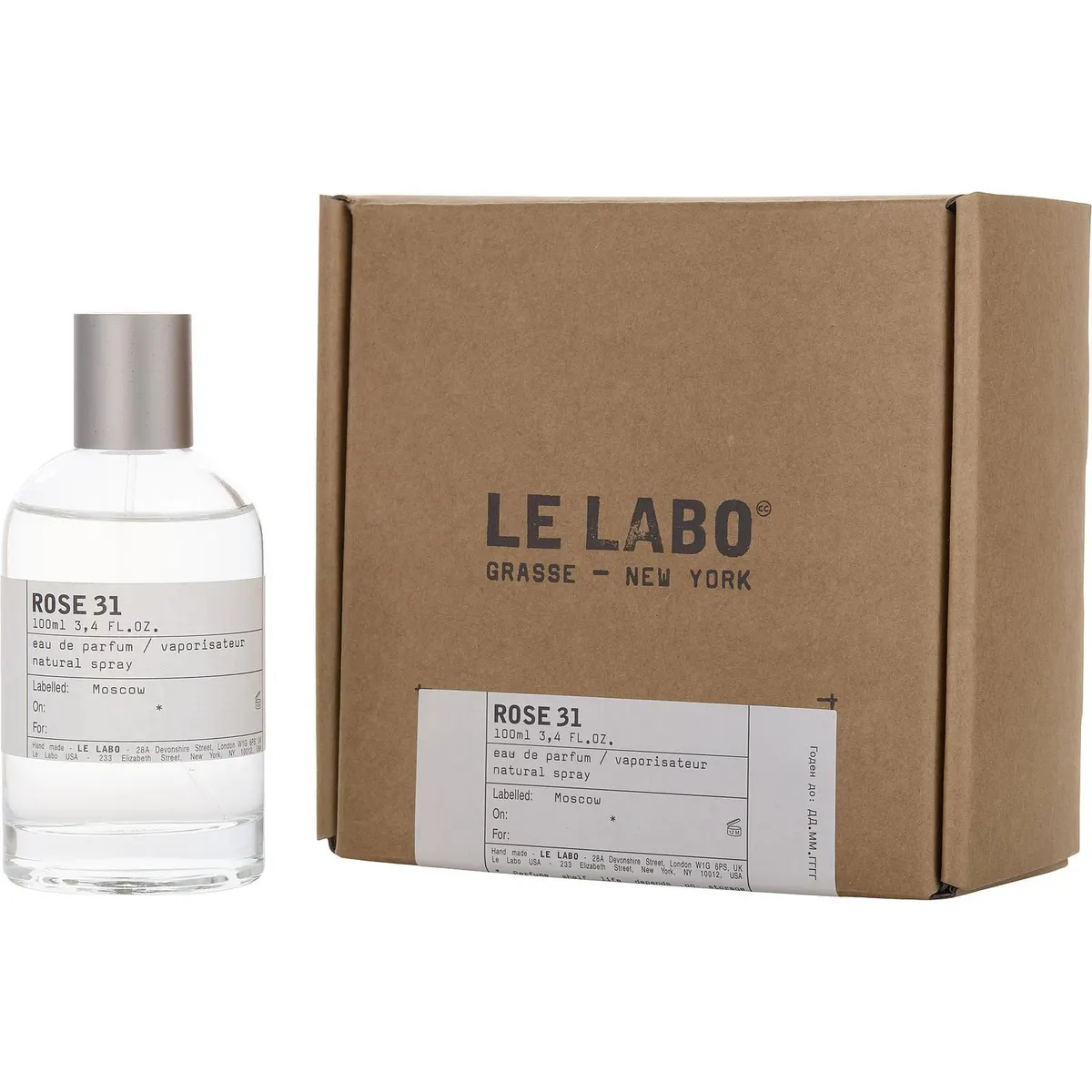
Le Labo's identity is built on aggressive typographic restraint: labels are printed in plain Courier-style fonts, names are functional (Santal 33, Rose 31, Vanille 44), and packaging avoids ornament entirely. The compositions are equally restrained — Le Labo typically uses fewer materials than its competitors, with each material featured prominently rather than blended into invisibility. Santal 33 (creamy sandalwood, leather, cardamom) is the brand's commercial centre; Rose 31 (rose with cumin), Vanille 44 (Paris-exclusive vanilla), and Another 13 (ambrette skin musk) round out the most-worn lineup. The brand also operates city-exclusive scents — Vanille 44 (Paris), Tubéreuse 40 (New York), Aldehyde 44 (Dallas) — that drove a generation of fragrance tourism.
Iconic Fragrances
Did You Know?
Santal 33 was originally a sample composition created by perfumer Daphné Bugey for an unrelated client — Le Labo licensed it after the original client declined to use it.
The number 33 refers to the number of ingredients in the composition, not any release year or sequence.
Le Labo's typographic minimalism has been so widely copied across the fragrance industry — Maison Margiela Replica, Aesop, Frédéric Malle — that the aesthetic now reads as default niche-luxury rather than distinctively Le Labo.
The brand's city-exclusive scents (Vanille 44 Paris, Tubéreuse 40 New York, Aldehyde 44 Dallas) launched a generation of fragrance tourism — travellers buying city-exclusives only available in that specific city.
Estée Lauder acquired the brand in 2014 for a price reportedly in the low nine figures.
Where to Buy in South Africa
No official SA boutique. Available via Skins SA (selected scents), grey market online, and travel retail. R4,500-R7,500 typical.